Window fans can significantly improve ventilation in your home gym by drawing in fresh air and exhausting stale air, which is crucial for maintaining a healthy workout environment. However, they might not be sufficient for larger gym spaces or during high-intensity workouts, as they may struggle to remove all airborne contaminants generated by your exercise routine. Factors such as outdoor weather conditions and noise levels can also affect their performance. To ensure optimal air quality while exercising at home, it’s important to consider additional ventilation methods and best practices that complement the use of window fans.
Key Takeaways
- Window fans enhance ventilation in your home gym by exhausting stale air and drawing in fresh air, which is essential for maintaining good indoor air quality during your workouts.
- While they effectively create airflow, window fans may not eliminate all airborne particles or gases, especially during intense exercise sessions.
- The efficiency of window fans can be influenced by weather conditions and airflow dynamics, making them less effective in certain situations, so it’s important to consider your environment.
- The noise generated by window fans can be distracting, potentially impacting your focus and overall workout performance.
- For larger home gym spaces, whole-house fans may offer superior ventilation compared to window fans, which are generally better suited for smaller workout areas.
Understanding the Role of Window Fans in Ventilation
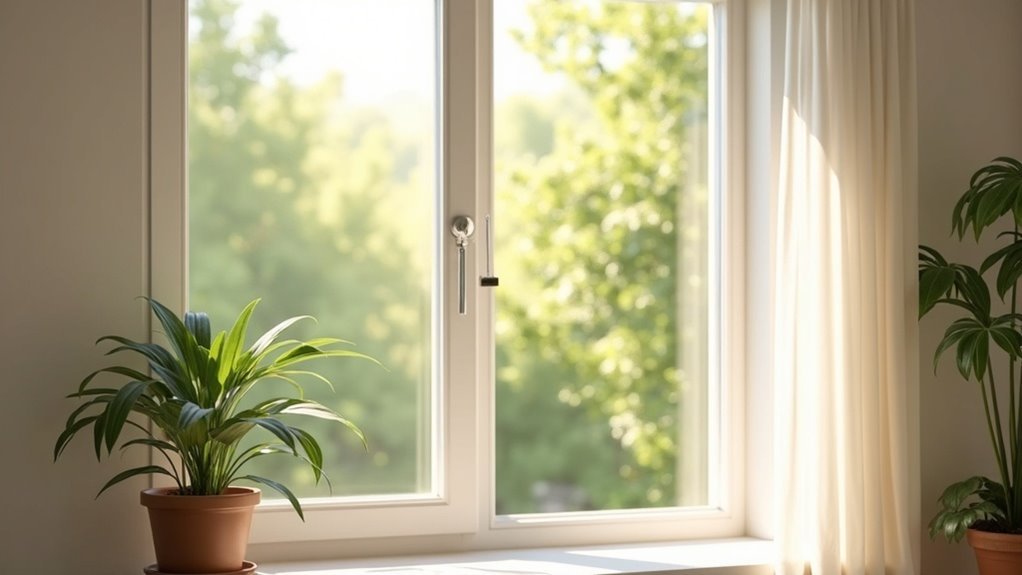
Window fans can significantly enhance the air quality in your home gym by promoting effective ventilation. When placed strategically, these fans help to exhaust stale air from your workout space, while drawing in cooler, fresh air, creating a refreshing cross-draft that can make your exercise environment more comfortable.
Research has shown that using window fans can help reduce indoor pollutants, similar to how range hoods work in kitchens, which is especially important for maintaining a healthy workout atmosphere.
However, it’s important to note that window fans can also bring in higher levels of outside pollution at times. To maximize energy efficiency and prevent the loss of conditioned air, ensure that your window fans are properly sealed, as they don’t provide the airtight seals that more permanent ventilation systems offer.
Advantages of Using Window Fans for Air Quality
Maintaining a healthy home environment is key for those exercising at home, and proper ventilation is a crucial aspect of this.
Window fans offer several benefits that can enhance your workout experience. They create vital airflow that helps to remove stale air from your workout space, significantly improving indoor air quality.
Research suggests that window fans can clear airborne particles more effectively than some traditional ventilation methods. Moreover, they’re an affordable and accessible choice for many home gym setups, requiring no complex installation.
Limitations and Downsides of Window Fans
While window fans can help improve indoor air quality and enhance airflow, they come with certain limitations that home gym enthusiasts should keep in mind.
For instance, they may not effectively remove all airborne particles or gases, especially during high-intensity workouts that can generate smoke or odors. Their efficiency can also be affected by weather conditions and airflow dynamics, which might hinder your exercise environment.
Window fans may struggle to eliminate airborne particles and odors during intense workouts, impacting your exercise environment.
Additionally, the noise produced by window fans can be disruptive, particularly at higher speeds, impacting your focus and comfort during workouts or relaxation periods.
Although window fans can help circulate air in your home gym, they might expose you to higher peak pollution levels compared to dedicated air purifiers.
Lastly, the need for frequent installation and removal can be cumbersome and may obstruct your windows, limiting ventilation options when you want to let fresh air in while exercising.
Comparing Window Fans to Other Ventilation Methods
When evaluating ventilation methods for your home gym, it’s important to compare window fans with alternatives like range hoods and whole-house fans. While window fans can help circulate air and improve indoor air quality by bringing in fresh air, their effectiveness may be limited in larger spaces. Whole-house fans create a negative pressure that efficiently cools and ventilates your entire gym area, making them a great choice for keeping the environment comfortable during workouts. Range hoods are excellent for maintaining lower pollution levels when using equipment that generates heat or fumes, but they may not fully eliminate lingering particles.
| Ventilation Method | Efficiency | Cost |
|---|---|---|
| Window Fans | Moderate | Low |
| Whole-House Fans | High | Moderate |
| Range Hoods | High | High |
Best Practices for Effective Window Fan Usage
To achieve ideal ventilation while exercising at home, it’s essential to implement specific strategies that maximize comfort and effectiveness.
Position inward-facing fans in open windows on the cooler side of your home gym to draw in fresh air, creating a refreshing breeze as you work out. Conversely, place outward-facing fans on the warmer side to expel hot air and keep your space comfortable.
Utilize these fans during cooler hours, ideally in the evening or early morning, when temperatures are between 55°F and 70°F. For enhanced airflow, consider using multiple fans in upper windows to establish negative pressure, allowing cool air to flow in while you exercise.
Ensure that fans fit tightly in window frames to minimize air leakage and maintain a pleasant workout environment, helping you stay focused on your fitness goals.
Exploring Alternatives for Improved Ventilation
While window fans can help circulate air in your home gym, relying solely on them may not ensure the best indoor air quality for your workout space.
To create a healthier environment, consider integrating additional methods. For instance, using air purifiers can effectively filter out harmful particles, ensuring cleaner air as you exercise.
Integrating air purifiers into your workout routine ensures a cleaner, healthier environment for optimal exercise performance.
Enhancing cross-ventilation by opening windows in adjacent rooms promotes better airflow, which is crucial during intense workouts. Positioning window fans strategically to create negative pressure can also optimize ventilation, keeping your space fresh.
Always keep an eye on local air quality, especially on days with high pollution, and seal any gaps around fans to minimize outside contaminants.