To prevent cracks in your resistance bands and ensure your home workouts are effective, it’s essential to use proper wrapping techniques. For optimal stability, try the Single Wrap Method—simply wrap the band around a smooth surface and pull tight. If you need adjustable tension, the Double Wrap Method is your best bet; just make sure to secure the fit while avoiding sharp edges. Always inspect your bands for wear before each use to maintain their durability. By following these guidelines, you can enhance the longevity of your equipment and keep your home exercises safe and efficient. You’ll find even more tips on maximizing your band usage throughout this site.
Key Takeaways
- Use the Single Wrap Method for exercises that require less band length, enhancing stability and minimizing wear for your home workouts.
- Always ensure that the surface where you wrap the bands is smooth and free of sharp edges to prevent any damage that could affect your exercise routine.
- Regularly check your bands for signs of wear or damage before each workout to avoid the risk of cracks during your home fitness sessions.
- Consider using utility straps with carabiners for anchoring on uneven or jagged surfaces, which can increase durability and safety while you exercise.
- Follow the Double Wrap Method to achieve adjustable tension, maintaining the integrity of your bands during workouts and reducing the risk of slippage for a safer and more effective home gym experience.
Understanding the Wrap Methods
When you’re wrapping bands to prevent cracks in your home gym setup, understanding the different wrap methods is essential for ensuring durability and functionality.
It’s important to choose the method that best fits your exercise needs. The Single Wrap Method is ideal for workouts that don’t require the full length of the band, but be sure to position it safely above or below any bolts.
If you opt for the Double Wrap Method, it offers easier adjustments, making it perfect for shorter band requirements often used in home workouts.
Always avoid sharp edges, as they can quickly damage the band and compromise your training.
Proper anchoring with utility straps enhances safety and performance significantly, ensuring you can focus on your fitness goals at home.
The Single Wrap Method Explained
The Single Wrap Method is an effective technique for securing resistance bands, ensuring optimal performance during your home workouts.
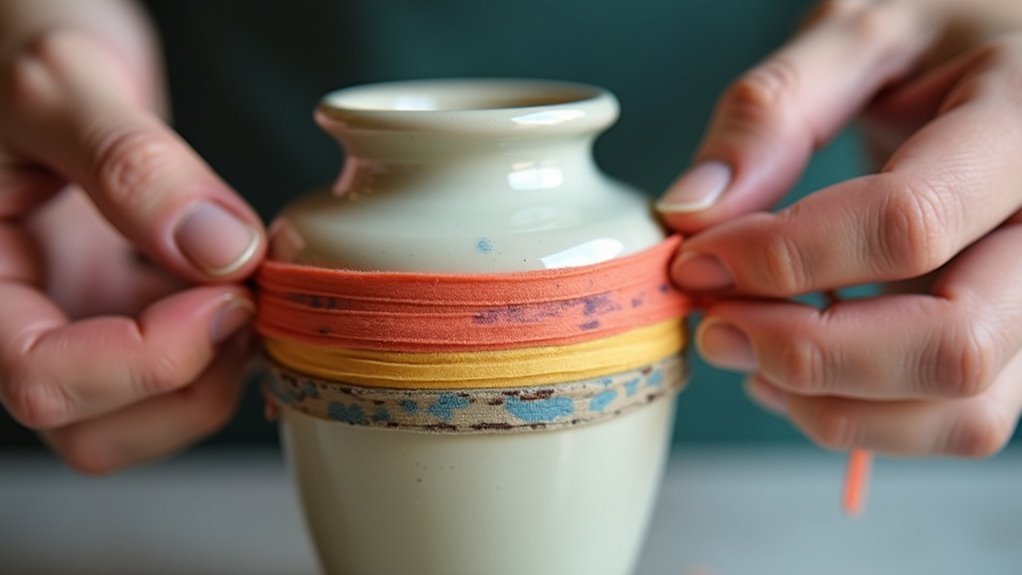
To use this method, simply grab the band by the label and wrap it around a stable surface beneath the label, pulling tight to secure it. This approach is especially useful for exercises that don’t require the full length of the band, helping to eliminate unnecessary slack.
Grab the band by the label, wrap it around a stable surface, and pull tight to secure for optimal workout performance.
Make sure the surface is smooth and free of sharp edges to prevent any damage to the band. By properly securing the band, you enhance stability during your exercises, significantly reducing the risk of wear and tear, which ultimately supports your safety and the longevity of your equipment.
This is essential for anyone looking to maintain a consistent and effective home workout routine.
The Double Wrap Method Explained
The Double Wrap Method offers significant benefits for securing your resistance bands during home workouts.
This technique allows for adjustable tension and reduces the risk of slippage, ensuring a safer and more effective exercise experience.
In the following sections, we’ll provide step-by-step instructions and essential safety precautions to help you make the most of your home gym routine.
Benefits of Double Wrap
While many may overlook the wrapping technique, utilizing the double wrap method can greatly enhance your home workouts.
Here are some key benefits that can help you maximize your exercise efficiency at home:
- Easier adjustments for varying tension levels, allowing for personalized workouts
- Reduced risk of slippage, ensuring a safer training environment
- Gradual band length adjustments without the need for a complete rewrap, making transitions smoother
- Efficient use of band length for shorter, focused workouts, perfect for home gym setups
Embracing the double wrap technique can lead to more effective and safer home exercise sessions for both men and women.
Step-by-Step Instructions
To effectively execute the double wrap method for your home gym equipment, follow these steps to ensure safety and stability during your workouts. First, grab the middle of the band, ensuring you have a firm grip. Bring one end around and through the hole to create a secure wrap. Pull tight to maintain stability, and feel free to make adjustments as needed during your exercises. This technique is particularly beneficial for shorter bands and allows for easy removal by pulling the top part. Always confirm that the band wraps around smooth surfaces to avoid any damage, and ensure that the wrapping circumvents any sharp corners or jagged edges to protect your gear.
| Step | Action | Safety Tip |
|---|---|---|
| 1 | Grab the middle | Ensure a firm grip |
| 2 | Wrap one end through the hole | Keep the surface smooth |
| 3 | Pull tight | Adjust as necessary |
| 4 | Check for sharp edges | Avoid compromising durability |
| 5 | Remove by pulling top part | Guarantee safe removal |
Safety Precautions to Consider
When utilizing the double wrap method for your home gym equipment, it’s essential to prioritize safety to ensure optimal performance and prevent any damage to your gear.
- Always inspect the band for signs of wear and tear before each use to ensure it’s in good condition.
- Ensure the band is securely wrapped around the equipment to prevent any slippage during your workout.
- Be cautious of sharp objects or edges in your gym space that could potentially damage the band.
- Gradually adjust the tension on the band to maintain an even distribution of pressure, enhancing both safety and effectiveness during your exercise routine.
Choosing the Right Band Length
Choosing the right band length is essential for maximizing both performance and safety during your home workouts. When selecting resistance bands for your exercises, consider the specific requirements of each movement. Longer bands are ideal for exercises that require more distance, as they minimize strain and reduce the risk of damage.
For exercises that involve shorter distances, using the double wrap method allows for easy adjustments and secure wrapping, making your workout more efficient.
Additionally, incorporating a utility strap or anchor can help you achieve the full length of the band while ensuring it remains secure, preventing any potential cracks during use.
It’s crucial to match the band length to the type of exercise you’re performing to enhance effectiveness and prolong the lifespan of your equipment.
Safety Precautions When Wrapping Bands
When wrapping bands for your home gym equipment, be sure to work on stable, smooth surfaces to minimize the risk of damage.
Steer clear of sharp edges or corners, as these can compromise the band material and lead to premature failure.
Avoid Sharp Edges
Sharp edges pose a considerable risk during the band wrapping process, necessitating careful attention to the surrounding environment.
To ensure safety and prevent damage while using home gym equipment, consider these guidelines:
- Avoid wrapping bands around sharp corners or jagged edges.
- Keep bands clear of sharp bolts that could cause deterioration.
- Use utility straps and carabiners for smooth anchoring on rough surfaces.
- Inspect the wrapping area for sharp objects, as even small protrusions can greatly wear the band.
Ensure Smooth Surfaces
Ensuring smooth surfaces in your home gym is crucial for effective band wrapping and overall safety during your workouts. Start by inspecting your environment for any sharp edges, as these can pose risks during exercises. Opt for stable and smooth surfaces to minimize the chance of damaging your bands. Avoid wrapping bands around bolts or sharp corners, as they create pressure points that could weaken the material and lead to accidents. When necessary, secure bands with utility straps or carabiners to rough surfaces for added protection. Regularly check wrapping points for wear or abrasion to maintain the integrity of your equipment.
| Surface Type | Risk Level | Recommended Action |
|---|---|---|
| Smooth | Low | Proceed with wrapping |
| Slightly Rough | Medium | Use anchors or straps |
| Sharp Edges | High | Avoid wrapping entirely |
| Regularly Inspected | Essential | Check for wear frequently |
Tips for Effective Use of Bands
To effectively use resistance bands and maximize their lifespan while working out at home, it’s essential to adopt proper wrapping techniques.
Implement the following tips for ideal performance and safety:
- Use the single wrap method for exercises that require less band length, ensuring a tight fit for effective resistance.
- Apply the double wrap method for shorter adjustments, which helps maintain the integrity of the band during your workouts.
- Always wrap bands around smooth surfaces to avoid sharp edges that can lead to damage and compromise your training.
- Consider using utility straps with carabiners for anchoring around jagged surfaces, which enhances the durability of your setup.
Regularly inspect your bands for any signs of wear or damage to ensure safe usage and to prevent potential cracks during your workouts.
Your safety and effectiveness in achieving fitness goals at home depend on these practices.