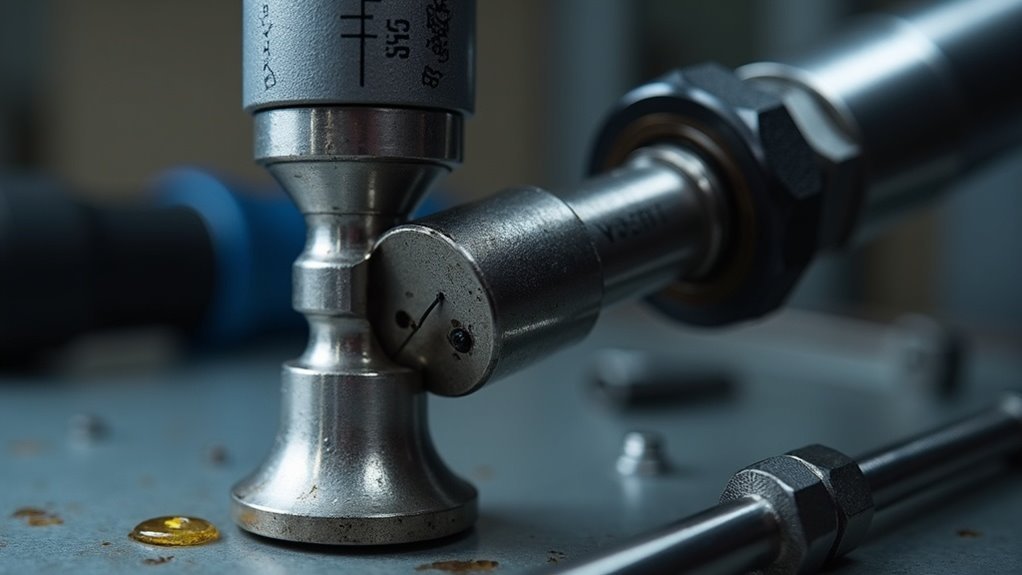
To properly secure bolts on home gym equipment, it’s essential to torque them to the manufacturer’s specifications. Begin by using a calibrated torque wrench and make sure to follow the recommended torque values for each bolt grade found in the equipment’s manual. Start with clean, dry threads and tighten the bolts in a crisscross pattern to ensure even load distribution, which is crucial for the stability of your equipment. Utilize a multi-step process to gradually increase the torque and double-check the values after the initial tightening to ensure everything is secure. Regular maintenance of your tools will help maintain their accuracy. For more tips on torque specifications and maintenance practices, be sure to explore resources that can enhance your home gym assembly and ensure your safety while exercising.
Key Takeaways
- Choose the right torque wrench suitable for home gym equipment assembly and make sure it’s properly calibrated for precise torque application.
- Adhere to the manufacturer’s torque specifications for the particular grade and size of the bolts used in your gym equipment.
- Utilize a crisscross pattern when tightening bolts to ensure even weight distribution and prevent any potential warping of the equipment structure.
- Apply torque in a gradual, multi-step approach to reach the specified values, ensuring you don’t overtighten and compromise the integrity of the equipment.
- After the initial tightening, double-check the torque values to guarantee the safety and reliability of your home gym setup.
Understanding Torque Specifications
When assembling your home gym equipment, understanding torque specifications is crucial for ensuring safe and reliable setups. Each type of fastener has specific torque specs that indicate the correct amount of torque needed for different sizes.
For example, a 1/4″ Grade 5 bolt requires 7.3 ft.-lbs. of torque. Always apply torque to clean, dry threads; remember that lubricated threads may require adjustments due to reduced friction.
Using a torque wrench is essential for achieving these specifications accurately, ensuring your equipment remains secure during workouts. Incorrect torque application can lead to serious issues like stripped threads or equipment failure, highlighting the importance of following manufacturer torque recommendations for your safety and performance while exercising at home.
Tools Needed for Proper Torque Application
To achieve proper torque application for your home gym equipment assembly, you’ll need a reliable torque wrench, which is essential for meeting specified torque values without overtightening.
This is particularly important when setting up equipment like weight benches or squat racks. Additionally, consider tools like torque angle gauges and socket sets that match your bolts to enhance precision and prevent damage to your gear.
For high-torque applications, such as assembling heavy-duty machines, a torque multiplier can greatly reduce the effort required while ensuring accuracy, allowing you to focus on your fitness goals.
Essential Torque Wrench Types
Selecting the right equipment for your home gym is essential for achieving effective workouts and maintaining your health. Just like using a torque wrench to apply the right amount of force, ensuring the proper setup of your gym equipment is crucial for safety and performance.
Adjustable dumbbells allow you to customize your weight for various exercises, helping prevent strain or injury. Resistance bands provide versatile options for strength training, while digital fitness trackers can give you feedback on your workouts and progress.
For those focused on specific fitness goals, a workout log or app can help you measure your progress over time. Always remember to regularly check and maintain your equipment to ensure it remains safe and functional, as even minor wear can lead to injuries.
Prioritizing your safety and well-being should always be your top goal when exercising at home.
Additional Torque Application Tools
While a torque wrench is essential for achieving precise torque application when assembling home gym equipment, several additional tools can enhance your accuracy and efficiency.
A torque angle gauge allows you to measure specific angle tightening, ensuring that you adhere to manufacturer specifications for safety and performance.
A beam-type torque wrench visually indicates when the desired torque is reached, which is especially helpful for beginners to avoid over-tightening and potential damage to equipment.
Additionally, using compatible socket sets can prevent slippage and guarantee accurate torque application, ensuring your equipment is secure.
For high-torque applications, torque multipliers can help you achieve the necessary torque with less physical effort, which is invaluable when setting up larger machines like weight benches or squat racks.
Always prioritize safety to maintain a healthy workout environment at home.
Step-by-Step Guide to Torqueing Bolts
To effectively secure components in your home gym equipment, start by selecting the right torque wrench that matches the specifications for your assembly.
Next, follow the proper torque sequence to ensure even load distribution, especially in complex setups like multi-station machines.
This methodical approach minimizes the risk of component distortion, ensuring your equipment remains safe and reliable for your workouts.
Maintaining the integrity of your gym gear not only enhances performance but also contributes to your overall fitness journey at home.
Torque Wrench Selection
Choosing the right equipment for your home gym is essential for achieving effective workouts and maintaining your health. Follow these guidelines to make sure you select the appropriate tools:
- Exercise Goals: Determine your fitness objectives, whether it’s building strength, improving endurance, or enhancing flexibility, and select equipment that aligns with these goals.
- Available Space: Assess the space in your home to ensure that the equipment fits comfortably and allows for safe movement during workouts.
- Quality and Durability: Invest in high-quality, durable equipment that can withstand regular use and provide safety during your workouts.
Regularly check the condition of your equipment to ensure it remains safe and effective for your fitness journey.
Proper Torque Sequence
When assembling home gym equipment, following a proper torque sequence is crucial for ensuring safety and preventing component failure. Start by consulting the manufacturer’s specifications for the correct torque values and sequence for your specific equipment.
Use a crisscross pattern when tightening bolts to distribute tension evenly across the assembly, which helps minimize warping and ensures stability during use. A calibrated torque wrench is essential for providing precise control over the torque applied, preventing the risk of over-tightening.
If needed, employ a multi-step process, gradually increasing torque in increments—30%, 60%, and then 100%—to ensure all parts are securely fastened.
Finally, always recheck the torque values after initial tightening, especially if the equipment has been subjected to stress, heat, or vibrations during workouts, to maintain safety and reliability for your fitness routine.
Importance of Accurate Torque Settings
Accurate torque settings are vital in ensuring that your home gym equipment remains safe and functional, as even minor deviations can lead to significant safety issues during your workouts.
Here’s why you should prioritize precise torque for your fitness gear:
- Secure Assembly: Proper torque ensures that all components of your gym equipment are tightly secured, preventing any unexpected failures while you exercise.
- Preventing Damage: Overtightening can strip threads or deform parts of your equipment, while undertightening can lead to loosening over time, risking potential accidents during your workout.
- Manufacturer Guidelines: Following the specific torque specifications provided by the equipment manufacturer enhances the reliability and longevity of your fitness gear, allowing you to focus on your health goals without worry.
Always use a calibrated torque wrench to achieve these settings, as even slight deviations can compromise performance and safety in your home gym environment.
Common Torque Specifications by Bolt Grade
Understanding common torque specifications by bolt grade is crucial for maintaining the safety and performance of your home gym equipment, whether you’re a man or woman dedicated to your fitness journey.
For Grade 2 bolts, the recommended torque values are 4.7 ft.-lbs. for 1/4″ coarse threads and 6.3 ft.-lbs. for fine threads.
Grade 5 bolts require 7.3 ft.-lbs. for coarse threads and 6.3 ft.-lbs. for fine threads.
When using Grade 8 bolts, aim for 7.8 ft.-lbs. with coarse threads.
For Metric Grade 8.8 bolts, the torque specification is 7.7 ft.-lbs., which is also applicable for Grades 10.9 and 12.9.
Always ensure these torque values are applied to clean, dry threads, and make adjustments if any lubricants are used.
Precision in these specifications is key to maintaining safety in your home gym setup.
Tips for Maintaining Your Torque Wrench
To ensure the safety and reliability of your home gym equipment, maintaining your torque wrench is just as crucial as following the correct torque specifications.
Here are some essential tips for optimal performance:
- Return to Lowest Setting: After each use, always reset your torque wrench to its lowest setting. This practice helps prevent calibration issues and ensures your equipment remains accurate for the next workout.
- Regular Calibration: To maintain precision, calibrate your wrench every six months or after 5,000 cycles. This ensures accuracy within ±4%, giving you confidence in your home gym setup.
- Proper Storage: Store your torque wrench in a protective case and keep it straight. Proper storage prevents damage and ensures it’s ready for use whenever you need it, helping you stay on track with your fitness goals.