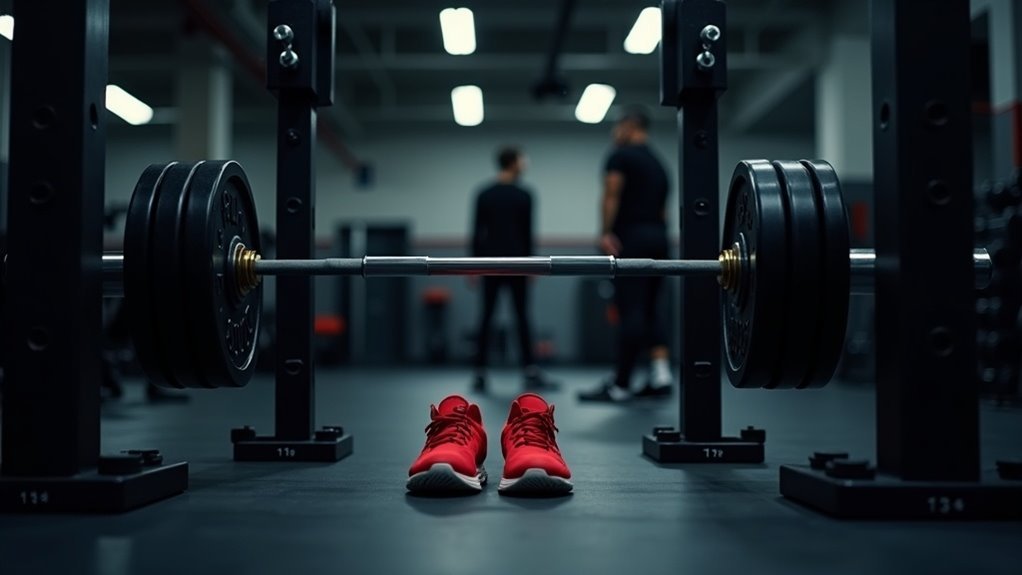
To set safeties for pin squats at home, position the safety pins about a fist-width lower than your lowest squat depth. This ensures the barbell catches securely during failed lifts, providing peace of mind while you work out. Adjust the pins each session based on your squat depth, and always test the setup with an empty bar before adding weight. This practice enhances safety and creates a secure workout environment, particularly important in a home gym setting. By taking these precautions, you can focus on maximizing your training experience and achieving your fitness goals. Explore more tips on refining your pin squat technique and optimizing your home workouts.
Key Takeaways
- Position safety pins about a fist-width lower than your lowest squat depth to ensure optimal safety during pin squats, making your home workouts safer and more effective.
- Adjust safety pins before each training session based on your current squat depth and comfort level, helping you stay in tune with your body’s needs as you exercise at home.
- Test the setup with an empty barbell to confirm the safety pin height before loading heavier weights, ensuring a secure and stable environment for your workouts.
- Set safety pins just below parallel for effective support while maintaining proper squat form, which is crucial for achieving your fitness goals safely.
- Regularly evaluate your squat form and adjust the safety pins as needed to enhance safety and performance, keeping your home gym routine both effective and injury-free.
Understanding Pin Squats
Pin squats are an excellent addition to your home gym routine, providing a unique variation of traditional squatting. This technique allows you to lower the barbell onto safety pins set at a specific height, where you can pause briefly before pushing back up.
It’s an effective way to customize your squat depth according to your individual needs, whether you’re starting from a standing position or a full squat on the pins.
For optimal results, ensure you set up your safety pins about a fist-width lower than your lowest squat point. This setup not only enhances safety but also maximizes the effectiveness of your workout.
Pin squats can be particularly beneficial for addressing conditions like knee or groin tendinopathy, enabling you to train within a pain-free range of motion. Incorporating pin squats into your home exercise regimen can help you build strength and improve your overall fitness.
Importance of Safety Pins
Setting up safety pins correctly is essential for maximizing the effectiveness of pin squats in your home gym while minimizing the risk of injury.
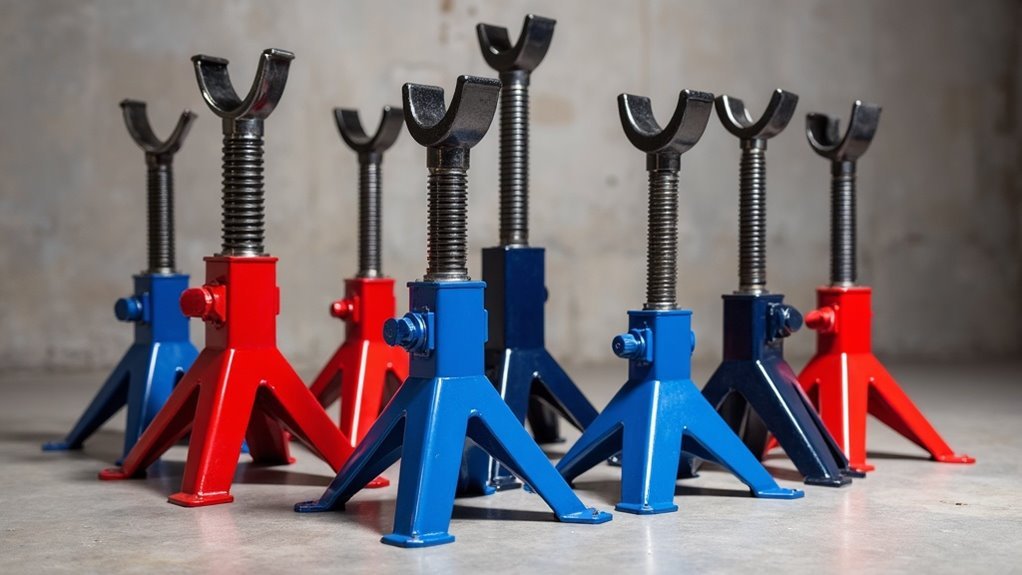
Safety pins in your squat rack play a crucial role, as they catch the barbell during a failed lift, ensuring a safer workout environment at home. Position them about a fist-width lower than your lowest squat point to guarantee they effectively catch the barbell.
Safety pins are vital for your squat rack, positioned just below your lowest squat to catch the barbell during failed lifts.
Adjusting the safeties for each training session is necessary to accommodate variations in bar height and individual squat depth.
Always test your safety pin setup with an empty bar before loading weights, especially if you’re using new equipment, to confirm the correct height and functionality.
This simple precaution can help you stay healthy and safe while exercising at home.
Setting the Right Height for Safeties
To ensure safety during your pin squats at home, it’s crucial to set the safety pins at the right height. Position them approximately a fist-width lower than the bar’s lowest squat point to provide adequate support.
Each workout, adjust the safeties to match your specific squat depth, which is essential for safety during failed lifts. When trying out equipment from a new home gym setup, always test the safety configuration with an empty bar to verify the correct height.
Keeping track of your ideal safety height can simplify your setup process, making your training more efficient. Remember to adjust the safeties before starting your warm-up to avoid any risks during your workout.
Stay safe and enjoy your home fitness journey!
Proper Technique for Pin Squats
When performing pin squats at home, maintaining proper technique is essential for maximizing benefits and minimizing injury risk. Begin by setting the safety pins just below parallel, ensuring your home gym setup is safe and stable. Unrack the barbell with a firm grip and brace your core. Descend slowly until the bar lightly contacts the pins, taking a moment to pause and eliminate any momentum before ascending. Focus on controlled movements to maintain proper form throughout.
| Action | Tips |
|---|---|
| Unrack the bar | Use a firm grip and engage your core |
| Descend | Keep a slow, controlled pace |
| Pause | Stop to eliminate momentum |
| Ascend | Prioritize stability |
Benefits for Injury Prevention
Injury prevention is a vital component of strength training, especially for those exercising at home. Properly set safety pins for pin squats are crucial in ensuring a safe workout environment.
By positioning safety pins about a fist-width below the bar’s lowest point, you can effectively catch the barbell during a failed lift, significantly reducing the risk of serious injury. This setup empowers you to tackle challenging reps with confidence, alleviating the fear of failure that can hinder your progress at home.
For individuals with a history of injuries, safety pins create a secure setting to practice squats safely, improving overall training safety and helping to prevent hazardous situations during every session.
Embracing these safety measures allows both men and women to enjoy a more effective and secure home workout experience.
Adjusting Safeties for Individual Needs
Properly adjusting safety pins for pin squats is crucial for maximizing your training effectiveness and minimizing injury risk, especially when working out at home.
Position the safeties about a fist-width lower than your lowest squat point to effectively catch the barbell during failed reps.
Take into account your individual height, limb length, and squat depth when adjusting safeties, as these factors significantly influence the ideal setup.
Always test the safety height with an empty barbell before adding weight to ensure safety during your workout.
Establish a routine to adjust safeties before your warm-ups for consistency.
For those with specific needs, consider gradually lowering the safeties as you progress and gain strength, ensuring a safer workout experience in your home gym.
Alternative Exercises for Safety
If your home gym setup lacks adjustable safety pins or they aren’t suitable for pin squats, there are effective alternatives to help you maintain safety while training.
Consider incorporating box squats into your routine; they allow you to target similar muscle groups while ensuring a controlled descent.
Incorporating box squats into your routine targets key muscle groups while promoting a safe, controlled descent.
Paused squats, specifically the 2-count variation, enhance stability and control without requiring specific safety setups.
Using mats can help you achieve proper squat depth when safety pin options are limited.
Additionally, tempo squats can improve balance and control, providing a different stimulus while keeping safety as your top priority.
Always prioritize proper form with these alternatives to maximize your home workout efficiency.
Tips for Effective Training With Safeties
Setting safety pins correctly is crucial for effective training with pin squats in your home gym, as it directly influences your confidence and safety during lifts. Here are some tips to ensure an ideal setup:
- Position safety pins about a fist-width lower than your lowest squat point to protect yourself during workouts.
- Always adjust the safeties before each session to avoid any potential accidents.
- Test the setup with an empty bar to confirm that the height is appropriate and safe for your lifting needs.
- If your equipment options are limited, consider using mats or boxes to achieve the right height for your safety pins.
Regularly evaluate your squat form and adjust the safety pins as needed, especially if you’re recovering from injuries.
This will help guarantee comfort and safety in your lifts, making your home workout experience more effective and enjoyable.