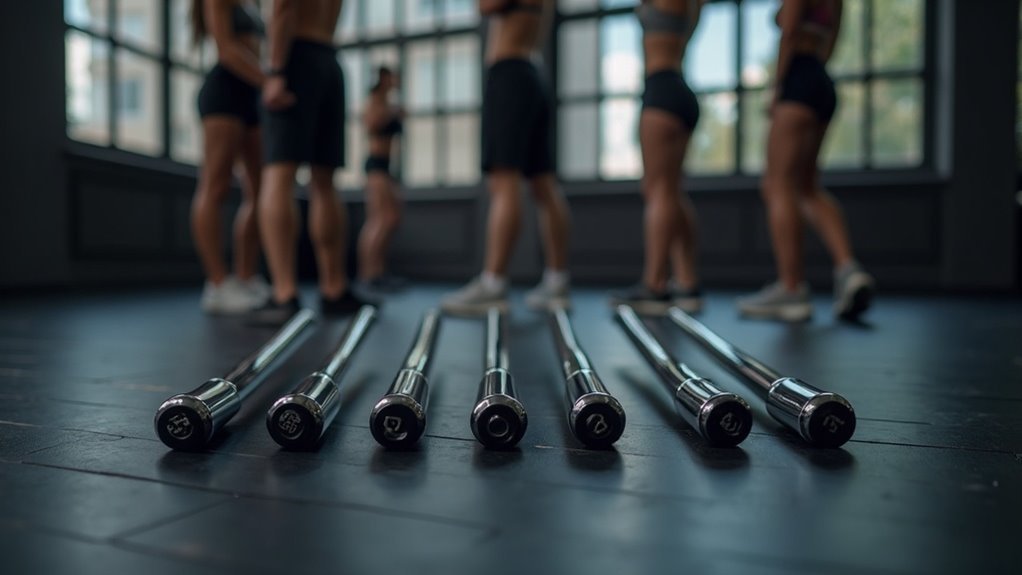
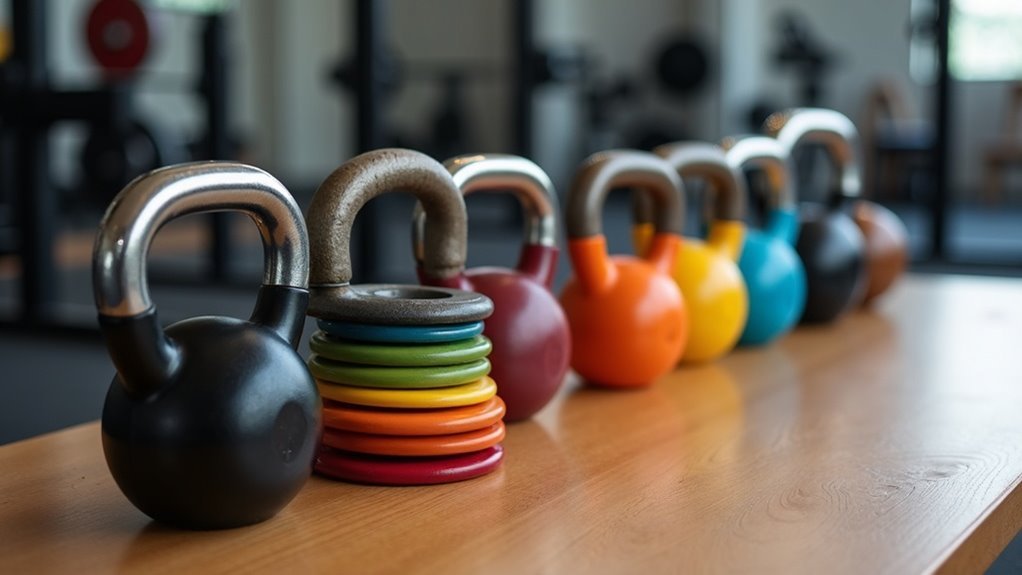
To organize a community gear swap for home gym equipment responsibly, start by selecting an accessible venue with adequate space for displaying various fitness items. Promote your event through social media and local fitness groups, as well as home workout forums. Clearly outline acceptable items, focusing on gently used home gym gear such as weights, resistance bands, yoga mats, and cardio machines. Implement a fair exchange model, like a token system, to ensure everyone has an equal opportunity to trade. Create a welcoming atmosphere with refreshments and social activities that encourage participants to share their home workout tips and experiences. Finally, plan for leftover donations to local charities or gyms to promote sustainability and help others in the community. With these strategies in place, your home gym equipment swap is sure to be a success!
Key Takeaways
- Choose an accessible venue with necessary amenities that can accommodate fitness enthusiasts interested in home gym equipment.
- Establish clear guidelines for acceptable items, such as weights, resistance bands, and cardio machines, and implement a visual inspection process to maintain quality and safety.
- Use a token system for equitable exchanges, allowing participants to earn tokens for gym equipment brought to the swap.
- Partner with local organizations for leftover donations, ensuring that unclaimed or damaged equipment is disposed of responsibly, promoting sustainability.
- Create a welcoming atmosphere with healthy refreshments and social activities to foster community engagement and encourage conversations about home fitness and wellness.
Selecting the Right Venue for Your Swap
When planning a community gear swap focused on home gym equipment, selecting the right venue is crucial for the event’s success.
Look for an accessible location that offers ample parking and is conveniently located near public transportation, making it easy for everyone to participate.
Consider options like community centers, parks, schools, or libraries, which often provide affordable or free spaces.
Ensure that the venue can accommodate your display of home gym equipment and the expected number of attendees, allowing for comfortable browsing.
It’s important to find spaces with necessary amenities such as restrooms, tables, and chairs to enhance the overall experience.
Additionally, check availability during peak times, like weekends, to maximize participation and foster a welcoming atmosphere for all fitness enthusiasts.
Promoting Your Event Effectively
To promote your home gym equipment swap effectively, start by creating eye-catching materials with Canva that highlight event details and benefits of working out at home.
Reach out directly to your target audience using local fitness groups and community contacts, while also sharing the event on social media platforms and fitness forums for broader visibility.
Collaborating with local health and fitness businesses can further amplify your efforts and foster a sense of community around staying healthy through home exercise.
Targeted Audience Outreach
Building a strong outreach strategy is essential for promoting your home gym equipment and fitness resources effectively.
Utilize local online fitness forums and social media platforms to highlight the benefits of exercising at home for both men and women.
Connect with local gyms, personal trainers, and health clubs by sending flyers and email announcements, reaching individuals and families interested in fitness.
Consider incorporating an incentive, like a raffle or a small gift for first-time customers, to spark excitement.
After the initial outreach, follow up with participants through newsletters to share success stories and tips on maintaining a healthy lifestyle, ensuring your community remains engaged and motivated in their fitness journey.
Visual Promotion Materials
How can you make your community gym equipment swap stand out and attract more participants? Start by creating engaging visual promotion materials using design tools like Canva.
Your flyers and social media posts should include clear messaging about the swap event’s purpose, date, and location. Emphasize the benefits, like building a supportive fitness community and promoting sustainability through recycling home gym equipment.
Share statistics on waste reduction in fitness gear to resonate with eco-conscious attendees. Distribute your materials through various channels—fitness groups, community boards, and social media—to reach a wider audience.
Use strong calls to action, encouraging everyone to bring gently used gym equipment and get involved in creating a healthier community!
Community Engagement Strategies
When promoting your home gym equipment exchange, it’s crucial to engage your audience across various platforms and connect with them in a meaningful way.
Utilize local fitness-focused social media groups, community boards, and wellness newsletters to expand your reach. Create visually appealing materials that emphasize the benefits of exercising at home and fostering a healthy lifestyle.
Collaborate with local fitness businesses for promotional support, building valuable partnerships. Consider scheduling your equipment exchange during existing health and wellness events to easily attract fitness enthusiasts.
Encourage word-of-mouth promotion by asking volunteers to share with their networks, which enhances community engagement and diversifies the equipment available for swapping.
Together, you can create a successful home gym exchange that prioritizes safety, health, and inclusivity for all.
Guidelines for Acceptable Items
To make our home gym equipment swap a success, it’s crucial to establish clear guidelines for acceptable items.
We’ll focus on fitness gear that’s in like-new or gently used condition, while keeping unrelated athletic items off the list.
Types of Acceptable Gear
When organizing a community gear swap focused on home gym equipment, it’s essential to establish clear guidelines for acceptable items to ensure everyone benefits from the event. Focus on gently used fitness gear to assure quality and safety. Acceptable gear includes:
| Item Type | Donation Fee |
|---|---|
| Dumbbells | $25 |
| Resistance Bands | $5 |
| Yoga Mats | $5 |
| Kettlebells | $10 |
Avoid general athletic gear to simplify management. Clearly communicate these guidelines in promotional materials and use designated collection bins at the community center for easy drop-off from participants.
Condition Requirements
Establishing clear condition requirements is essential for a successful home gym equipment swap, as it guarantees that everyone receives quality items they can trust.
Accept only fitness equipment in like-new or gently used condition, focusing on items such as dumbbells, resistance bands, yoga mats, and kettlebells.
Clearly communicate these condition requirements in your promotional materials so participants know what to expect.
Encourage everyone to clean and inspect their equipment before donation, ensuring hygiene and quality standards.
At the event, implement a visual inspection process to confirm all items meet your established guidelines, creating a safe and enjoyable experience for everyone involved in their fitness journey.
Excluded Items List
As you prepare for the home gym equipment swap, it’s important to clarify which items won’t be accepted to maintain a focus on quality and safety.
Excluded items include general fitness gear like yoga mats and water bottles, ensuring we streamline management and concentrate solely on home gym equipment.
Accepted items for the swap should be in like-new or gently used condition, such as weights, resistance bands, benches, and cardio machines.
Communicate these exclusions clearly in promotional materials to inform participants and minimize confusion.
Implementing a Fair Exchange Model
To create a successful home gym equipment swap, implementing a fair exchange model is vital for fostering collaboration and inclusivity among participants.
Encourage everyone to bring gently used fitness gear, aiming for a one-for-one exchange. Set limits on the number of items participants can take to prevent hoarding and guarantee equal access for all.
Introduce a token system, where each item brought earns a token, allowing participants to swap for workout equipment they desire. Clearly communicate guidelines about accepted gear quality, including weights, resistance bands, and exercise machines.
Invite those without items to participate through a small fee or volunteer work, promoting a welcoming environment for every community member dedicated to staying healthy through home exercise.
Preparing Essential Supplies
Gathering the right home gym supplies is essential for a smooth and enjoyable community gear swap focused on fitness and health.
You’ll need tables to display gym equipment and bins for collection, helping keep everything organized. Provide bags for participants to carry their swapped items home.
Prepare clear signage outlining rules, pricing, and accepted items to ensure everyone feels welcome and informed. Stock refreshments like water and light snacks to encourage community engagement and promote an active lifestyle.
Use hangers for workout clothing to help keep items organized and accessible.
Finally, designate a secure area for transactions with a locked cash box and a Venmo QR code to streamline payments safely, making it easy for everyone to invest in their health.
Creating a Welcoming Atmosphere
Creating a welcoming atmosphere is essential for making everyone feel comfortable and engaged in their fitness journey at home. Start by setting up a check-in area with nametags and an overview of available gym equipment. Organize workout stations clearly labeled by type or intensity, making it enjoyable for individuals to explore their options. Offering refreshments can encourage social interaction, allowing friends and family to connect over their fitness goals. Provide a private space for trying out equipment, ensuring comfort and ease of use. Foster community through icebreakers or discussions on maintaining a healthy lifestyle. This inclusive environment can be shared on social media, bringing more fitness enthusiasts together for future events.
| Action | Purpose |
|---|---|
| Check-in area | Warmly welcome participants |
| Clearly labeled stations | Make exploring easier |
| Refreshments | Enhance social interaction |
| Private try-out space | Guarantee comfort and ease of use |
Engaging Participants and Encouraging Interaction
While fostering a sense of community is essential, engaging participants and encouraging interaction can transform your home gym gear swap into a dynamic event.
Provide refreshments and create comfortable seating areas where friends can gather and share their fitness journeys.
Implement a token system for fair exchanges and set up designated stations for different types of equipment, promoting conversation around workout routines and preferences.
Organize fun activities focused on home workout techniques and healthy living practices to deepen engagement and align with wellness principles.
Encourage attendees to share stories about their equipment and fitness achievements, fostering connections that enhance the overall experience and make your swap memorable.
Planning for Leftover Donations and Sustainability
After fostering connections and camaraderie among participants at your home gym equipment swap, it’s important to consider what happens to leftover gear once the excitement fades.
Identify local fitness centers, shelters, or community programs that can benefit from your leftover donations, ensuring items are reused instead of ending up in landfills. Set clear guidelines about unclaimed items, including partnerships with upcyclers to give them a second life and recycling opportunities for damaged equipment.
Communicate your sustainability mission before the event, emphasizing responsible disposal and the importance of maintaining a healthy environment.
Finally, create an inventory of leftover items to track trends, helping you adapt future swaps to better serve community fitness needs and enhance sustainability efforts.