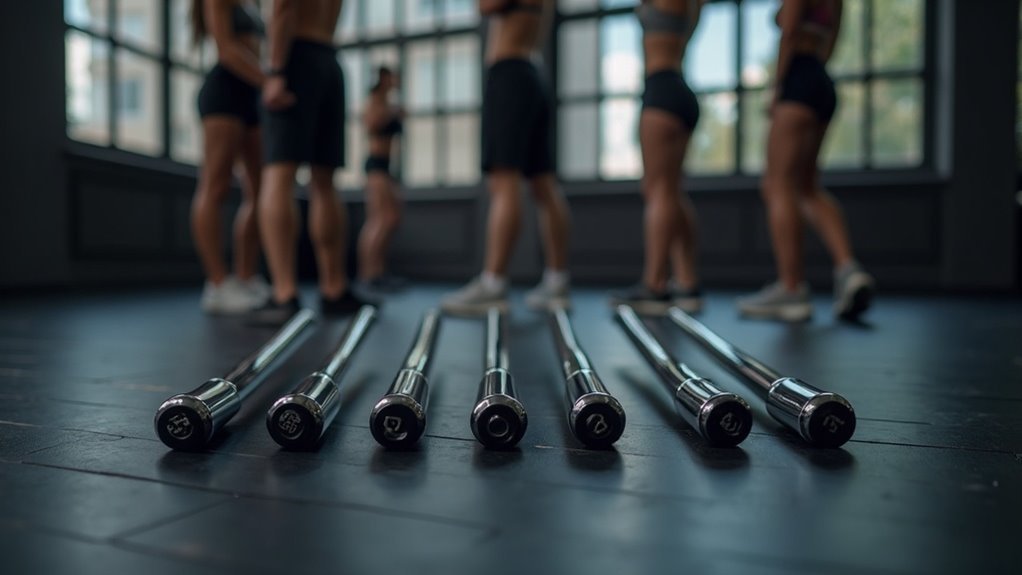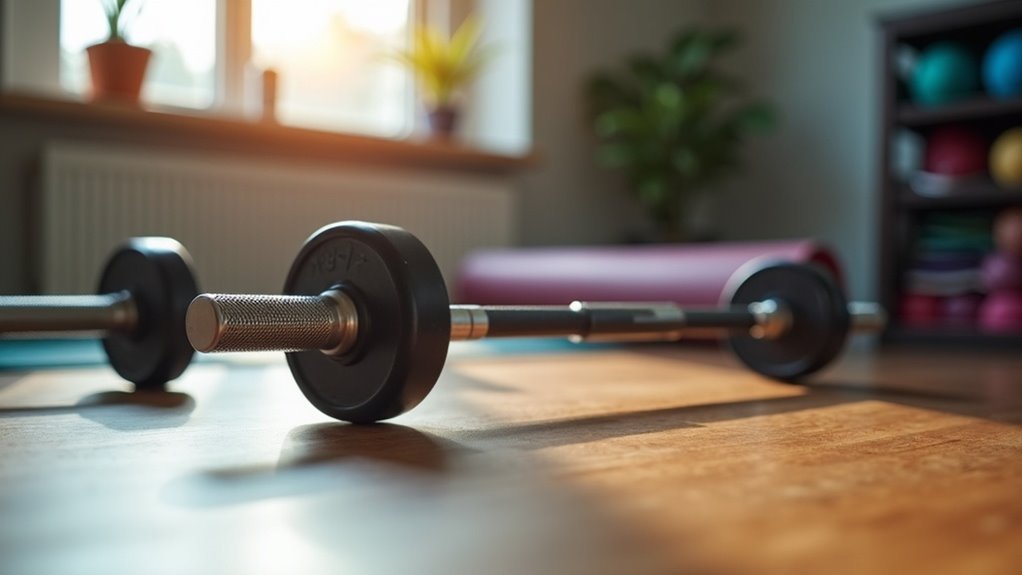
Barbell whip is an important factor to consider for your home training, particularly based on your lifting style. If you’re focusing on Olympic lifts, a bar with more whip can enhance your explosive movements, making your workouts more effective. On the other hand, if you’re into powerlifting, opting for a stiffer bar offers the stability you need for heavy lifts. Striking the right balance of flexibility can significantly improve your technique and overall performance. Ultimately, your choice of barbell should align with your fitness goals and training preferences. Keep exploring to find the best equipment that suits your unique home workout experience and helps you stay healthy and strong!
Key Takeaways
- Barbell whip is generally less important for home training unless you’re lifting over 220 lbs, where stability plays a more significant role.
- Stiffer powerlifting bars provide better control for heavy lifts, making them an excellent choice for home gym setups.
- While Olympic lifts benefit from whippy barbells that enhance explosive movements, this feature may not be necessary for most general home workouts.
- It’s essential to consider personal preferences and individual lifting styles when selecting a barbell, as comfort and grip can significantly impact your performance.
- Reliable multipurpose bars, such as the Texas Power Bar, can effectively support a variety of exercises in your home gym, catering to both men and women looking to stay fit and healthy through at-home workouts.
Understanding Barbell Whip
When you lift a barbell in your home gym, you mightn’t realize how its flexibility, known as barbell whip, can impact your performance.
Barbell whip, which comes from the bar’s tensile strength, can improve your lifting technique, particularly for Olympic lifts. For those focusing on explosive movements, a whippy deadlift bar can be beneficial, while powerlifting bars tend to be stiffer, providing better control during heavy lifts.
However, most home gym setups don’t require you to prioritize whip unless you’re lifting over 220 lbs. Understanding barbell whip is important for advanced athletes, but if you’re just starting out, it’s best to focus on using a sturdy bar for safety and to enhance your overall performance as you work towards your fitness goals at home.
The Importance of Whip in Different Lifting Styles
Understanding the importance of barbell whip in various lifting styles can significantly enhance your home workout experience. For Olympic lifts, a barbell with whip is essential as it aids in propelling weight upward during explosive movements like cleans and snatches.
When it comes to deadlifts, using a flexible deadlift bar can facilitate smoother lift-offs, making heavy weights feel more manageable and allowing for better form. However, excessive whip during squats can lead to balance issues, so selecting the right bar for each lift is crucial for maintaining safety and effectiveness in your home gym.
Personal preferences and experience also play a significant role in your choice of equipment. While some lifters appreciate the benefits of a whippy bar, others may find it challenging to maintain control.
It’s important to tailor your equipment selections to suit your individual needs and goals, ensuring you create a safe and optimized home gym environment for your fitness journey.
How to Choose the Right Barbell for Your Goals
Choosing the right barbell for your home gym and fitness goals begins with understanding your primary lifting style.
If you’re focused on powerlifting, select a stiffer bar with low whip to provide maximum stability during your lifts. For those interested in Olympic lifting, a bar with more whip is ideal for executing explosive movements effectively.
When training at home, a versatile multipurpose barbell is your best bet, as it allows you to perform a variety of exercises safely and efficiently.
Don’t overlook the importance of knurling, as it can significantly impact your grip and overall comfort during workouts.
Lastly, ensure the barbell has high tensile strength and durable construction to withstand heavy weights and regular use over time.
A thoughtfully chosen barbell can greatly enhance your training experience and support you in achieving your fitness goals from the comfort of your own home.
Personal Experiences With Barbell Whip
While many home gym enthusiasts swear by the benefits of a whippy bar, others find it challenging to maintain grip stability and control during their workouts. Your personal experiences with barbell whip can vary greatly depending on the types of bars you use.
Some individuals achieve personal bests with stiff power bars, while others prefer deadlift bars for their flexibility and ease of use at home. You may notice that grip comfort greatly influences how much deflection you perceive; thinner bars often feel better in your hands, making your home workouts more enjoyable.
However, whippy bars can lead to balance issues during squats, underscoring the importance of individual preference when selecting equipment. Ultimately, paying attention to your performance feedback will help you make informed choices for safe and effective home training.
Recommendations for Home Gym Lifters
When setting up your home gym, it’s crucial to select the right barbell that aligns with your lifting style and fitness goals.
For most home lifters, a reliable bar like the Texas Power Bar or Rogue Ohio Bar offers the versatility needed for a range of exercises without excessive barbell whip.
If your focus is on overall fitness, consider a multipurpose barbell that effectively supports squats, deadlifts, and presses.
It’s wise to invest in a durable barbell that features excellent knurling for a secure grip and a protective finish to endure humidity.
Prioritize consistent training with a dependable bar over concerns about whip—your performance will significantly improve with stability and control, helping you achieve your fitness aspirations from the comfort of your home.