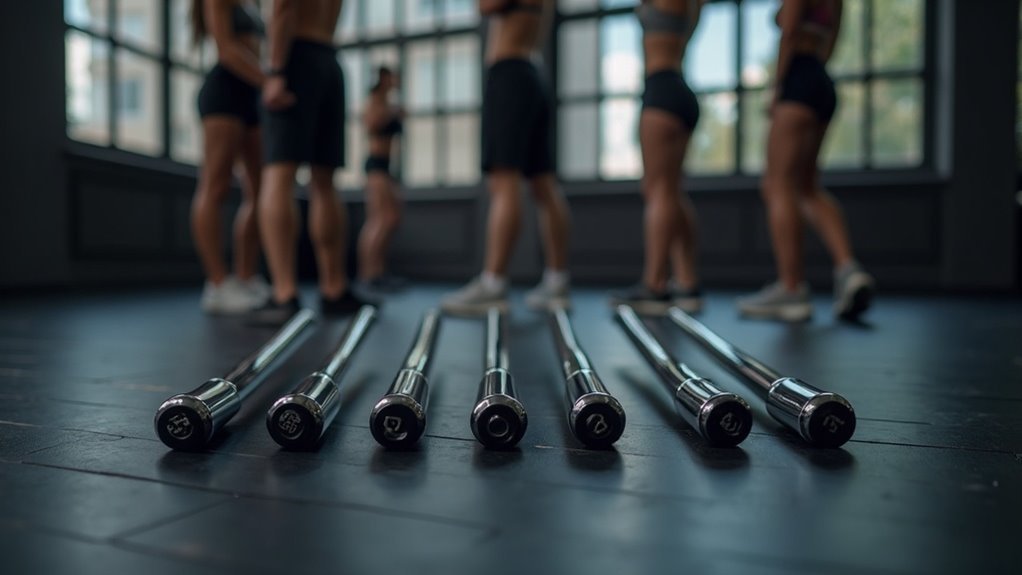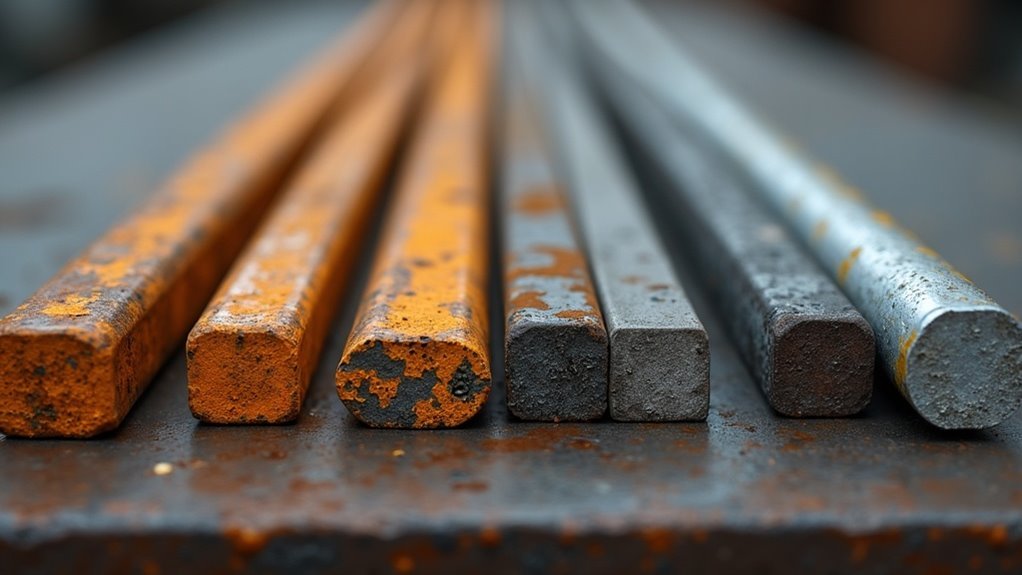
Yes, bare steel bars are generally harder to maintain than coated bars, especially for those setting up a home gym. They are more susceptible to rust from moisture exposure, which means you’ll need to perform regular upkeep, such as oiling and cleaning the bars after each workout. On the other hand, coated bars provide better corrosion resistance, resulting in less maintenance overall. If you prioritize ease of care and durability in your home gym equipment, coated bars may be the better option for your fitness routine. However, remember that there are several factors to consider when choosing the right bar to fit your specific needs and workout goals.
Key Takeaways
- Bare steel bars require regular maintenance to prevent rust, which includes applying oil and cleaning them after each workout session.
- Coated bars offer enhanced corrosion resistance, significantly reducing the frequency of upkeep needed.
- In humid environments, the maintenance requirements for bare steel bars can increase dramatically, making coated bars a more convenient choice for busy individuals looking to maintain their home gym.
- Proper upkeep of bare steel bars is crucial for ensuring safety and optimal performance during workouts, while coated bars simplify the maintenance process for home gym enthusiasts.
- Over time, the long-term maintenance costs associated with bare steel can accumulate, making coated bars a potentially more economical option for those committed to a healthy lifestyle at home.
Understanding Barbell Materials
When selecting the perfect barbell for your home gym, it’s crucial to understand the differences between bare steel and coated bars to enhance your workout experience.
Bare steel bars provide an excellent grip, making them a favorite among serious lifters; however, they do require regular maintenance to prevent rust, especially in humid environments where oxidation can lead to quick deterioration.
Bare steel bars offer superior grip for serious lifters, but they demand consistent upkeep to avoid rust in humid conditions.
On the other hand, coated bars, particularly those with zinc finishes, offer superior durability and resistance to oxidation, significantly reducing maintenance requirements. These protective coatings guard against rust, making them a more practical choice for both casual and dedicated home exercisers.
Ultimately, the choice of barbell material impacts not only your performance but also your safety and the longevity of your home gym equipment.
Maintenance Needs of Bare Steel Bars
While bare steel bars provide excellent grip and performance for your home gym workouts, their maintenance is crucial for ensuring durability and preventing rust.
If you live in a high humidity area, it’s important to apply oil to the bar monthly to safeguard against rust formation.
Be sure to clean the bars after each workout to remove any moisture-retaining chalk and sweat from the knurling.
Regular brushing with plastic or brass brushes is also vital for keeping the bars in good condition and preventing debris buildup.
In comparison to coated bars, bare steel bars require more diligent upkeep due to the lack of inherent rust protection.
Prioritizing this maintenance routine is essential for both safety and optimal performance in your home fitness journey.
The Benefits of Coated Bars
Coated bars provide substantial benefits for home gym enthusiasts, particularly in terms of corrosion resistance and maintenance.
With finishes like chrome or zinc, these bars are well-suited for humid environments, reducing the risk of rust and the frequency of upkeep.
This lower maintenance requirement not only adds convenience for home workouts but also ensures that you can rely on consistent performance over time, allowing you to focus on achieving your fitness goals.
Enhanced Corrosion Resistance
Because bare steel is highly susceptible to rust in humid environments, coated bars offer a superior alternative with their enhanced corrosion resistance, making them ideal for home gym enthusiasts.
Coatings such as stainless steel, hard chrome, and Cerakote provide a protective finish that significantly reduces rust formation. This protective layer not only minimizes the need for regular maintenance but also enhances wear resistance, ensuring that your equipment maintains its integrity over time.
While bare steel demands diligent upkeep to avoid red rust, coated bars retain their aesthetic appeal and functionality with less frequent care. This makes them perfect for both men and women looking to create a reliable and durable workout space in the comfort of their homes.
Reduced Maintenance Frequency
When considering the maintenance of home gym equipment, opting for coated bars can significantly simplify your upkeep routine.
Coated bars, like those finished with zinc or chrome, offer superior corrosion resistance, which greatly reduces the risk of rust formation. This enhanced durability means less intensive maintenance is required compared to bare steel barbells, which need regular oiling to prevent oxidation.
With coated bars, routine cleaning becomes easier, and their attractive appearance remains intact over time, minimizing the need for cosmetic touch-ups. Additionally, these coatings improve grip and reduce moisture retention, ensuring dependable performance without the frequent worries associated with bare steel options.
Enjoy the benefits of reduced maintenance frequency that coated bars bring to your home gym setup.
Rust Formation and Prevention
While bare steel bars can provide significant structural advantages for home gym equipment, their vulnerability to rust requires careful upkeep.
Rust formation primarily results from moisture exposure, which can lead to oxidation and pitting if not managed effectively. To prevent this, regularly applying 3-in-One oil or warm soapy water can significantly improve the corrosion resistance of your gym equipment.
It’s crucial to keep bare steel clean and free from sweat and chalk, as these substances can trap moisture and promote rust development. In humid environments, like those with an average humidity of 83%, the risk of rusting increases substantially compared to coated alternatives.
Consistent maintenance is essential to ensure that your bare steel gym bars remain safe and functional for your fitness journey at home.
Storage Tips for Optimal Condition
To maintain your bare steel gym bars in optimal condition, it’s crucial to create a storage environment that minimizes humidity exposure.
Using protective covers, such as canvas bags, can help slow down patina formation, but regular inspections are essential to catch any rust early.
Ensure that your bars are stored in dry, well-ventilated areas to greatly reduce the risk of oxidation.
Keeping your equipment in top shape not only enhances your workout experience but also extends the lifespan of your home gym gear.
Proper Storage Environment
Creating a proper storage environment for home gym equipment, including bare steel bars, is essential to prevent rust and maintain their integrity.
Store these bars in a dry area with low humidity levels, as high humidity can greatly increase rust formation. Regularly inspect your storage area for moisture and ensure proper ventilation to help reduce humidity.
Avoid placing the bars directly on damp surfaces or using moisture-retaining materials, as this can compromise their quality. If you’re storing them for extended periods, consider periodic oiling with 3-in-One oil to create a protective barrier against moisture.
Unlike coated equipment, bare steel requires vigilant care to preserve its condition effectively. By maintaining your gym gear, you can ensure a safe and effective workout experience in the comfort of your home.
Use of Protective Covers
Using protective covers can significantly enhance the preservation of your home gym’s bare steel bars during storage.
While these covers help reduce direct moisture exposure, they don’t eliminate the need for regular maintenance. In high-humidity environments, even covered bars can be susceptible to rust formation.
To combat this, ensure a dry storage area and commit to diligent upkeep. Regularly brush and oil your bars, especially after any moisture exposure. This routine not only slows down the development of patina but also protects against corrosion, unlike coated bars.
Remember, protective covers are just a supplementary measure; routine inspections are crucial for ensuring the longevity of your home gym equipment.
Stay proactive to keep your fitness gear in peak condition!
Personal Preferences and Workout Conditions
When choosing the right type of barbell for your home gym, personal preferences and specific workout conditions play a significant role. The decision between bare steel and coated bars can greatly influence your training experience. Here are some key factors to consider:
- Grip and Feel: Bare steel bars provide enhanced knurling, which can improve grip for those who value tactile feedback during their lifts. This is particularly beneficial for men and women looking to maximize their performance at home.
- Maintenance Requirements: If your home gym is in a humid area, bare steel bars will require regular maintenance to prevent rust. On the other hand, coated bars are designed for corrosion resistance and require less upkeep, making them a practical choice for busy individuals.
- Convenience vs. Commitment: Opt for coated bars if you prefer low-maintenance equipment that allows you to focus more on your workouts. However, if you’re committed to maintaining your gear for that authentic gym feel, bare steel bars may be the perfect fit for you.
With the right choice, you can enhance your home workout experience and stay motivated on your fitness journey.