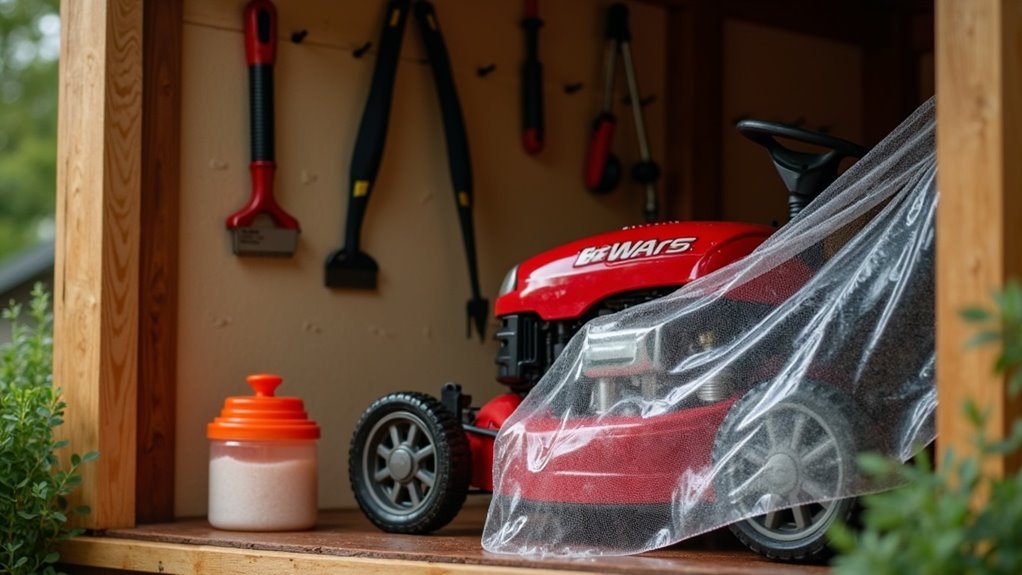
To weatherproof home gym equipment stored in sheds, start by cleaning and drying your gear thoroughly to prevent rust and damage. Use protective coverings like waterproof tarps and breathable fabric to shield items from moisture and dust. Elevate your storage with shelving and wall-mounted racks to improve air circulation, which is crucial for maintaining equipment in top condition. Apply rust-resistant sprays to metal components of your gym equipment, and seal wooden items with weatherproof coatings for added protection. Regularly inspect your gear and maintain humidity levels to deter moisture and pests. With these precautions, your home gym equipment will remain in great shape, ensuring you can stay healthy and fit while exercising at home.
Key Takeaways
- Clean and dry your home gym equipment thoroughly before storage to eliminate dirt and moisture, preventing rust and damage.
- Use waterproof tarps and breathable fabric covers to shield your equipment from moisture and UV rays, ensuring it remains in top condition for your workouts.
- Store gym equipment off the ground using shelving units or racks to promote air circulation and reduce humidity, which can affect performance.
- Install a dehumidifier in your storage area and monitor humidity levels with a hygrometer, aiming for 30% to 50% to prevent moisture buildup that could harm your gear.
- Regularly inspect your stored gym items for signs of wear or rust, and apply protective coatings as needed to keep them in excellent condition for your fitness routine.
Clean and Dry Your Tools Thoroughly
When it comes to maintaining your home gym equipment, the first step is to clean and dry your tools thoroughly. Use soap and water to remove dirt, grease, and any moisture buildup from your workout gear.
Inspect metal surfaces for any signs of rust; if you find any, use fine steel wool to scrub it away. After cleaning, ensure your equipment is completely dry in a well-ventilated area to prevent condensation.
Wipe down metal parts with light machine oil or paste wax to create a barrier against moisture. Finally, store your equipment in airtight containers or designated spaces in your home gym to protect your belongings from humidity and keep them in top condition for your workouts.
Use Protective Coverings for Added Shielding
To effectively protect your home gym equipment from the elements while stored in sheds or outdoor spaces, using protective coverings is crucial. Waterproof tarps or heavy-duty plastic covers shield your fitness gear from moisture, preventing rust and damage. Consider breathable fabric covers that allow moisture to escape, keeping your equipment dry and free from dust. Ensure your covers fit snugly to resist wind displacement, which can expose your gear to the elements. For outdoor fitness equipment, use fitted covers that protect against UV rays and water damage. Regularly inspect these coverings, replacing any that show wear to maintain optimal protection against harsh weather conditions.
| Cover Type | Purpose |
|---|---|
| Waterproof Tarps | Shield from moisture |
| Breathable Fabric | Allow moisture escape |
| Fitted Covers | Prevent UV damage |
| Heavy-Duty Plastic | Resist wear and tear |
Elevate Storage With Shelving and Racks
To keep your home gym organized and protect your fitness equipment, consider elevating storage with shelving and racks.
This approach maximizes vertical space, enhancing air circulation and reducing moisture buildup, which is essential for maintaining your gear.
Plus, adjustable shelves simplify access to your weights, bands, and other tools, making it easier to grab what you need to stay fit and healthy when you need it.
Maximize Vertical Space
Maximizing vertical space in your home gym is essential for creating an organized and efficient workout area. Install tall shelving units to store weights, resistance bands, and other fitness equipment, keeping the floor clear for easy movement.
Wall-mounted racks are perfect for storing items like yoga mats and jump ropes, preventing clutter and ensuring everything is easily accessible. Consider overhead storage for less frequently used items, such as seasonal sports gear, freeing up floor space for your workouts.
Utilizing pegboards can enhance organization and visibility for smaller accessories, while promoting better air circulation around stored items, reducing risks from humidity and temperature fluctuations.
Properly maximizing space guarantees your equipment stays safe, accessible, and your workout area remains inviting.
Enhance Air Circulation
Elevating your storage with shelving and racks is a smart way to enhance air circulation in your home gym. By using heavy-duty shelving, you can keep your fitness equipment off the ground, reducing moisture buildup and protecting against rust, which can be especially important for weights and machines.
Wall-mounted racks for frequently accessed items, like resistance bands and dumbbells, also guarantee airflow around them, preventing condensation and keeping your gear in top condition. This elevated storage not only promotes better ventilation but helps maintain a consistent temperature for sensitive equipment, ensuring your workout gear is always ready for use.
Plus, organizing your tools improves visibility and access, encouraging regular workouts and maintenance of your equipment. Prioritizing air circulation will ultimately prolong the lifespan of your valuable home gym gear, helping you stay healthy and active.
Simplify Access to Tools
While organizing your home gym, simplifying access to equipment is essential for efficiency and ease of use.
Installing shelving units and racks elevates your gear off the floor, enhancing air circulation and reducing moisture risk. Utilize wall-mounted pegboards or shelving systems to maximize your storage space, keeping equipment organized and preventing clutter that traps humidity.
Group items by type or usage for efficient storage and quick retrieval. Opt for shelves with a sealed finish to further protect against moisture and condensation.
Regularly inspect and adjust your elevated storage solutions to ensure stability, contributing to a safe and organized workout environment.
Apply Rust-Resistant Sprays to Metal Tools
To keep your home gym equipment in top condition and free from rust, applying rust-resistant sprays is crucial, especially if your equipment is stored in areas with high humidity or fluctuating temperatures.
Products like Boeshield T-9 or WD-40 Specialist form a protective barrier that repels moisture and prevents corrosion. Before applying, ensure that the metal surfaces of your equipment are clean and dry for optimal adherence.
Regular reapplication, especially before long-term storage, can prolong the life of your gym tools and save you money on replacements. By preventing rust, you’ll minimize the need for costly repairs, ensuring your workout gear remains in excellent shape for years to come.
Seal Wooden Items With Weatherproof Coatings
To protect your home gym equipment, start by selecting the right weatherproof coating, such as polyurethane or marine varnish, to ensure longevity.
Apply it evenly and thoroughly, paying special attention to areas that might be more exposed to moisture, like edges and joints.
Remember to allow each coat to dry completely before adding another for maximum durability, ensuring your equipment remains in top condition for your workouts.
Choose Appropriate Coating
When you’re looking to protect your home gym equipment stored in your shed, choosing the right weatherproof coating is essential.
Opt for a high-quality sealant specifically designed for outdoor use, as it provides protection against moisture, UV rays, and mold growth. Before applying, ensure the surface of your equipment is clean and dry for better adhesion.
Consider using oil-based sealants, as they penetrate deeply into the materials, offering longer-lasting protection compared to water-based options.
Remember to inspect your equipment regularly and reapply the weatherproof coating every couple of years to maintain its durability and integrity against the elements, ensuring your fitness journey stays on track.
Apply Evenly and Thoroughly
Applying weatherproof coatings to outdoor gym equipment is essential for protecting it from moisture and temperature changes. Choose a weatherproof coating specifically designed for outdoor use to ensure durability.
Use a brush or sprayer to apply it evenly, ensuring complete coverage on all surfaces, including edges and corners, to prevent drips and ensure long-lasting protection. If the equipment is untreated, consider using a primer before applying the weatherproof sealant for added defense against the elements.
For a robust, water-resistant finish, follow the manufacturer’s instructions on drying time—typically allowing about 24 hours between coats.
Regularly inspect your outdoor gym equipment and reapply the weatherproof coating every few years to maintain its integrity and performance against the elements, ensuring it remains safe and effective for your home workouts.
Allow Proper Drying Time
Ensuring that your home gym equipment is properly maintained is essential for promoting a safe and effective workout environment.
Before applying any protective coatings, make sure that the surfaces of your equipment are completely dry to prevent moisture entrapment, which can lead to rust and deterioration. Use a moisture meter to confirm that the moisture content is below 15% before sealing.
After applying your chosen protective coatings, such as rust-resistant sprays or sealants, allow for proper drying time of 24 to 48 hours. This step creates a durable barrier against moisture and humidity, ensuring your equipment remains in optimal condition.
Regularly inspect your gym gear and reapply coatings as needed to maintain their effectiveness and longevity, allowing you to stay healthy and active in your home workouts.
Regularly Inspect and Maintain Stored Equipment
Regular inspections of your home gym equipment are crucial to ensure optimal performance and safety. Make it a routine to check for any signs of wear, rust, or damage at least once a month.
Clean your equipment thoroughly before storing it to eliminate dirt and moisture, which can lead to rust and deterioration. During your inspections, apply protective coatings, such as light machine oil or silicone spray, to metal surfaces to help repel moisture.
Remember to check and replace batteries in any electronic devices or fitness trackers every six months. Keeping a maintenance log will help you track your inspections and any protective measures taken, ensuring a consistent routine for maintaining your home gym equipment and supporting your fitness journey.
Control Humidity Levels in the Shed
Controlling humidity levels in your home gym is essential for preserving your equipment and ensuring a comfortable workout environment.
To achieve this, consider these effective strategies:
- Install a dehumidifier to reduce excess moisture and prevent rust on your gym equipment.
- Use a hygrometer to monitor humidity levels, aiming for a range of 30% to 50% for optimal comfort.
- Enhance ventilation with windows or exhaust fans for better air circulation, helping to keep the air fresh while you exercise.
- Apply moisture barriers like plastic sheeting on the floor if your gym is in a basement or damp area to block ground moisture.
Implement Critter Control Measures
When it comes to protecting your home gym equipment stored in sheds, implementing critter control measures is essential to keeping pests at bay. Regularly inspect your shed for entry points and seal them with steel wool or caulk to prevent unwanted visitors. Use mouse traps and check them frequently to catch any intruders that may damage your gear. Keeping a dog outside can deter critters, while natural repellents like peppermint oil create an unwelcoming environment for pests. For extra protection, store your gym equipment in air-tight containers to limit access and maintain their condition.
| Measure | Description |
|---|---|
| Inspect Shed | Regularly check for entry points to prevent pests |
| Use Traps | Place and monitor traps for effective pest control |
| Store in Containers | Keep gym equipment in air-tight bins for protection |