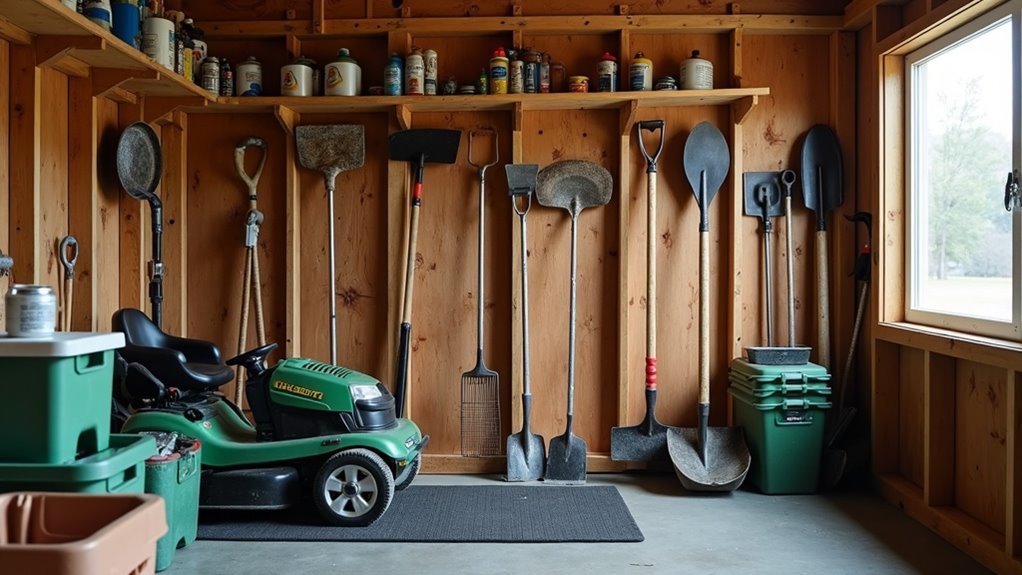
To prevent rust on your home gym equipment, store it in a well-ventilated area, ideally elevated off the ground. Begin by cleaning the equipment with a mild detergent to remove moisture and dirt, then dry it thoroughly. Utilize heavy-duty tarps or breathable covers to protect against humidity and inspect them regularly. Consider incorporating desiccants to absorb excess moisture. Regular maintenance is key—lubricate moving parts and check for any damage. By following these practices, you’ll enhance the lifespan and performance of your gym gear, ensuring you can stay committed to your fitness journey. More effective tips await you!
Key Takeaways
- Store gym equipment in a well-ventilated area to reduce moisture exposure and prevent rust formation.
- Elevate equipment off the ground using corrosion-resistant materials to avoid moisture contact.
- Use heavy-duty tarps or breathable fabric to securely cover equipment and protect it from humidity and dust.
- Incorporate desiccants like silica gel in storage to absorb excess moisture and maintain optimal humidity levels.
- Regularly inspect and maintain protective coverings and equipment to ensure they remain in top condition and prevent rust.
Understanding the Causes of Rust
When you leave your home gym equipment exposed to the elements, rust can quickly become a serious problem. Rust formation occurs through a chemical reaction between iron, oxygen, and moisture in the air, known as oxidation.
Leaving home gym equipment outdoors can lead to rapid rust formation due to oxidation from moisture and air.
In high-humidity areas, like coastal regions or places with heavy snowfall, this process accelerates. Salt exposure further speeds up corrosion, making it essential to protect your equipment.
Even in drier climates, temperature fluctuations can cause condensation, promoting rust. Regular cleaning and maintenance are important; dirt and contaminants can trap moisture, increasing the risk of oxidation.
Stay proactive to ensure your home gym equipment remains safe, functional, and ready for your workouts, helping you maintain a healthy lifestyle.
Ideal Storage Conditions for Outdoor Equipment
To keep your home gym equipment in top shape and ensure an effective workout environment, it’s essential to provide ideal storage conditions that protect it from damage.
Store your gear in a dedicated, well-ventilated space, such as a garage or designated workout area, to minimize moisture exposure that can affect performance.
Elevate equipment off the ground using sturdy, corrosion-resistant materials to avoid damp surfaces that could lead to rust and deterioration.
Utilize protective coverings, such as heavy-duty tarps or breathable fabric, to shield against dust, moisture, and UV rays, which can degrade materials and finishes.
Incorporate desiccants like silica gel to absorb excess moisture in enclosed spaces, and maintain a routine for inspections and reapplying protective coatings or lubricants to effectively prevent wear and ensure your equipment lasts for many workouts to come.
Cleaning and Preparing Equipment for Storage
Before storing your home gym equipment, ensure you remove all dirt and debris using a mild detergent.
Once clean, apply a protective coating to shield against rust and corrosion, making sure your gear is ready for its next workout session.
Taking these steps will significantly extend the life of your equipment and keep it in optimal condition for achieving your fitness goals at home.
Remove Dirt and Debris
Cleaning your home gym equipment is essential for effective storage and longevity. To prevent rust and maintain functionality, start by removing dirt and debris using a mild detergent and water solution.
Thoroughly clean all surfaces, ensuring you eliminate sweat, moisture, and any grime, which can lead to deterioration. After cleaning, dry the equipment with a lint-free cloth or compressed air to avoid leaving any moisture behind.
Elevate your gear off the ground during storage to prevent contact with moisture or standing water. Make regular cleaning part of your maintenance routine to keep contaminants at bay and protect your investments in health and fitness from corrosion.
Apply Protective Coatings
After thoroughly cleaning your home gym equipment, it’s essential to apply protective coatings to guard against rust and wear from the environment.
Ensure that the surface is completely dry before applying any coatings, as leftover moisture can affect adhesion. Opt for epoxy-based paints specifically formulated for indoor use, as they offer a strong barrier against humidity and sweat.
Regularly inspect these protective coatings for signs of wear, reapplying as necessary to ensure effective rust prevention.
Additionally, consider combining these coatings with other protective measures, such as using desiccants and storing your equipment in a dry area, to further enhance protection against corrosion.
Taking these extra steps will help keep your home gym equipment in top condition!
Utilizing Protective Covers and Barriers
While home gym equipment is often exposed to various elements, utilizing protective covers and barriers is an essential step in safeguarding your investment.
Securely covering your gear with heavy-duty tarps or shrink wrap creates a protective barrier that blocks moisture and minimizes the risk of rust. Choose durable materials that can withstand humidity, dust, and UV rays for long-lasting protection.
Cover your equipment with heavy-duty tarps or shrink wrap to protect against moisture, rust, and environmental damage.
Regularly inspect these coverings to ensure they remain intact. For added protection, consider incorporating desiccants within sealed coverings to manage moisture levels effectively.
Combining these methods with a Corrosion Inhibitor can further enhance your equipment’s defense against rust and corrosion, helping you maintain a healthy workout environment at home.
Implementing Vapor Corrosion Inhibitors
To protect your home gym equipment from rust, implementing Vapor Corrosion Inhibitors (VCIs) is essential.
These products release vapors that create a barrier against moisture and corrosive elements, which can be especially beneficial for metal components of your workout gear.
Benefits of VCI Products
When you store home gym equipment, using Vapor Corrosion Inhibitors (VCIs) can significantly protect against rust and corrosion.
VCI products emit vapors that create a protective barrier on metal surfaces, effectively shielding your equipment from moisture and corrosive elements that can lead to damage.
They’re versatile and can be easily combined with packaging materials like kraft paper or polyethylene, making them ideal for both small and large fitness items.
For customized protection, VCI poly film comes in various sizes and thicknesses to fit your needs.
When paired with desiccants, VCIs enhance moisture control, greatly reducing the risk of rust, particularly in humid or salty environments.
Regular application is essential for optimal results, ensuring your home gym equipment remains in top condition for your fitness journey.
Application Techniques for VCI
Effective application techniques for Vapor Corrosion Inhibitors (VCIs) are essential to maximizing their protective benefits for your home gym equipment.
To start, choose heavy-duty VCI paper or polyethylene for wrapping your items, ensuring a secure fit that minimizes exposure to moisture, especially if your gym equipment is stored in a damp environment.
For larger equipment, such as treadmills or weight benches, consider using reinforced coverings that provide added durability against wear and tear.
Before wrapping, clean the surfaces to remove dust and oils, allowing VCIs to adhere properly and ensure that your equipment remains in top condition.
Regularly inspect VCI-treated items to maintain their protective layer and functionality.
Combining VCI With Desiccants
While storing home gym equipment, combining Vapor Corrosion Inhibitors (VCIs) with desiccants can significantly improve your protection strategy.
VCIs release vapors that form a protective layer on metal surfaces, preventing moisture and corrosion. When paired with silica gel, these desiccants effectively absorb any residual humidity, ensuring your equipment remains dry and in top condition.
You can incorporate VCI products into packaging materials, such as kraft paper, to provide comprehensive protection for your gear. Select the appropriate VCI based on your equipment’s size and the environmental conditions it will face for optimal results.
Remember to regularly inspect and replace desiccants to maintain effective moisture management, ensuring ongoing rust prevention and extending the lifespan of your home gym equipment.
Regular Maintenance and Inspection Practices
Regular inspections of your home gym equipment are essential for maintaining its longevity and performance. Conduct these checks at least monthly to catch early signs of wear or damage.
Regular monthly inspections of your home gym equipment are crucial for ensuring its durability and optimal performance.
After each use, wipe down your equipment to remove sweat, dirt, and moisture that can lead to deterioration. Document your regular maintenance routine, ensuring you check for any signs of fraying cables and lubricate moving parts as needed.
To manage humidity levels in your workout space, regularly replace desiccants in storage areas to prevent moisture accumulation. Additionally, schedule repainting or touch-ups for any chipped or worn areas on metal surfaces to keep rust at bay and prolong the life of your equipment.
Keeping your home gym in top shape will ensure a safe and effective workout environment, helping you stay committed to your fitness goals.
Additional Tips for Long-Term Rust Prevention
Maintaining your home gym equipment requires more than just regular workouts; long-term rust prevention is key to ensuring its durability and performance.
Create a protective barrier using heavy-duty tarps or shrink wrap to shield your equipment from moisture and corrosive elements. Incorporate Vapor Corrosion Inhibitor (VCI) products in your storage areas; these release vapors that form a protective layer against rust.
Regularly apply epoxy-based coatings for added defense. Store your equipment in well-ventilated spaces to control humidity, and use desiccants like silica gel to absorb excess moisture.
These practices effectively combat rust and enhance the lifespan of your valuable home gym equipment, allowing you to stay healthy and active for years to come.