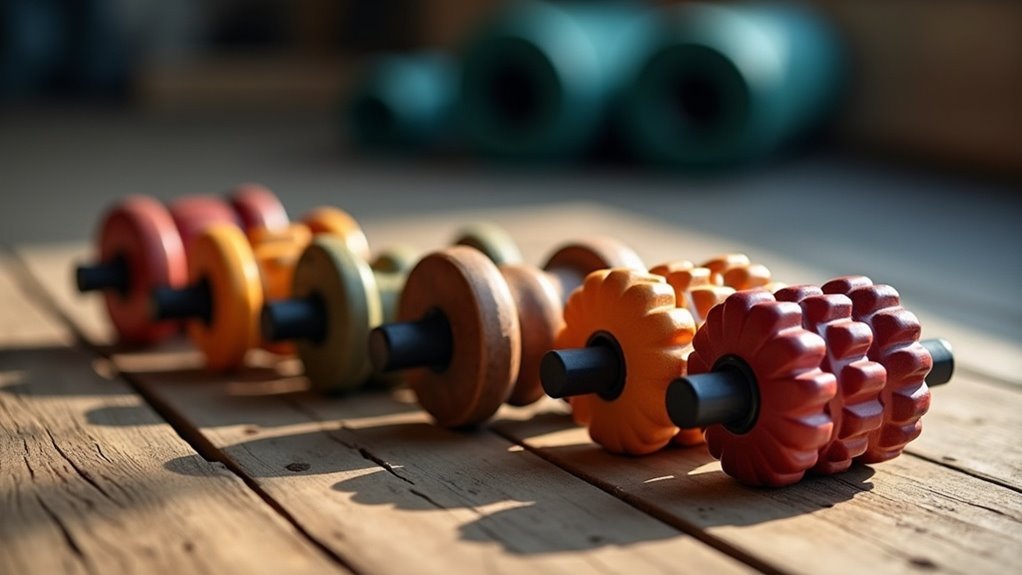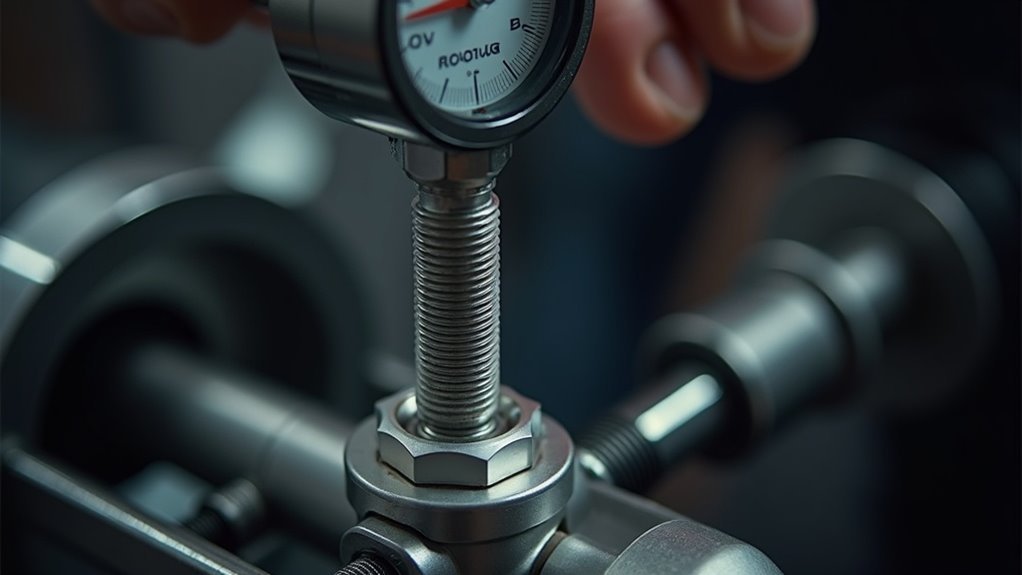
To avoid over-tightening bolts on your home gym equipment, always use a calibrated torque wrench and adhere to the manufacturer’s specified torque limits. Proper lubrication on bolt threads can help reduce friction and prevent applying excessive force. Regularly check your tools for accuracy and familiarize yourself with best tightening practices. Conduct routine inspections to catch any signs of over-tightening early on. Understanding the implications and preventative measures is essential for maintaining the integrity and safety of your home gym setup, ensuring you can focus on your fitness goals without worry.
Key Takeaways
- Always use a calibrated torque wrench when assembling or maintaining your home gym equipment to ensure you apply the right amount of force according to the specified torque limits.
- Follow the manufacturer’s torque specifications for each bolt type on your gym equipment to avoid applying excessive tension that could damage the equipment.
- Properly lubricate bolt threads to reduce friction, allowing for more accurate tightening and ensuring your equipment remains safe and functional.
- Provide regular training or resources on effective tightening practices to enhance your understanding and precision when setting up or maintaining your home gym.
- Conduct routine inspections of your torque tools to ensure their accuracy, helping you prevent the risk of over-tightening your equipment during assembly or maintenance.
Understanding Over-Tightening
When assembling home gym equipment, it’s crucial to follow specified torque limits for all bolts and fasteners. Over-tightening can lead to serious mechanical issues, jeopardizing the safety and functionality of your gear.
Using a torque wrench ensures you apply the correct force, preventing over-tightened bolts that could result in permanent damage. Common causes of over-tightening include using standard tools or misunderstanding torque specifications for different types of equipment.
Exceeding these limits can lead to thread stripping, deformation, and increased mechanical failures, posing safety hazards during your workouts.
Furthermore, the economic implications, such as heightened maintenance costs and potential downtime, highlight the importance of proper torque application for safe and efficient home exercise routines.
Signs You Might Be Overtightening
Over-tightening bolts on home gym equipment can lead to significant mechanical issues, often manifesting through specific signs that you should be aware of.
Look for deformed threads on bolts, which indicate excessive force that could risk fastening failures and compromise your equipment’s safety. Cracked flanges or surfaces suggest high compression, which can undermine the stability of your gym gear.
Deformed bolt threads and cracked surfaces signal over-tightening, jeopardizing the safety and stability of your gym equipment.
If you notice snapped bolt heads or elongated fasteners, those are clear indicators that you may be over-tightening. Gasket damage, such as leaks in equipment that relies on sealing components, often points to reduced effectiveness due to excessive bolt tension.
Lastly, if disassembly becomes difficult—marked by seizing or corrosion—it’s a strong sign that you’ve over-tightened.
To ensure your home gym equipment remains safe and effective, always use torque wrenches to achieve the appropriate tension.
Consequences of Overtightening
Excessive tension on bolts in home gym equipment can lead to a range of mechanical failures that compromise both safety and performance.
Over-tightening can apply excessive torque, weakening the bolts and leading to permanent deformation. This deformation can strip threads, significantly undermining the integrity of the fasteners and increasing safety risks during workouts.
Distorted components may result in misalignment, contributing to equipment failure and potential injury. Moreover, the damage caused by over-tightening often leads to higher maintenance costs due to the need for regular inspections and replacements.
Ultimately, the economic impact can be considerable, resulting in workout interruptions and financial losses from repairs and downtime.
Ensuring proper assembly and maintenance of your home gym equipment is crucial for both safety and to maximize your fitness journey.
How to Prevent Overtightening
To prevent overtightening bolts in your home gym equipment, it’s crucial to use the right tools and techniques. A calibrated torque wrench is essential for applying the specified force accurately, so make sure to follow the recommended torque specifications for each bolt type. Proper lubrication on bolt threads can significantly reduce friction, which enhances accuracy when applying torque. It’s also important to educate anyone using the equipment on effective tightening practices to ensure precision. Regular inspections and maintenance of your torque tools will help ensure they provide accurate readings, keeping your home gym safe and functional.
| Bolt Type | Recommended Torque (ft-lbs) | Lubrication Needed |
|---|---|---|
| Steel | 30 | Yes |
| Aluminum | 20 | Yes |
| Stainless | 25 | No |
| Plastic | 15 | Yes |
| Composite | 10 | No |
Final Thoughts
Proper tightening practices are essential for enhancing the safety and functionality of your home gym equipment, ultimately contributing to its longevity.
By using calibrated torque wrenches and following the manufacturer’s specifications, you can prevent over-tightening, which may lead to mechanical failures.
Regular training on bolt-tightening techniques is crucial, as is the use of cam-over wrench technology to reduce the risk of over-torque events.
Additionally, conducting routine inspections can help you spot signs of over-tightening, like deformed threads, allowing for early intervention.
Remember, the reliability of your equipment is directly linked to these practices, particularly in high heat environments.
For more detailed guidelines on maintaining your home gym equipment, please refer to our Privacy Policy for the best practices.
Stay safe and keep your workout space in top shape!