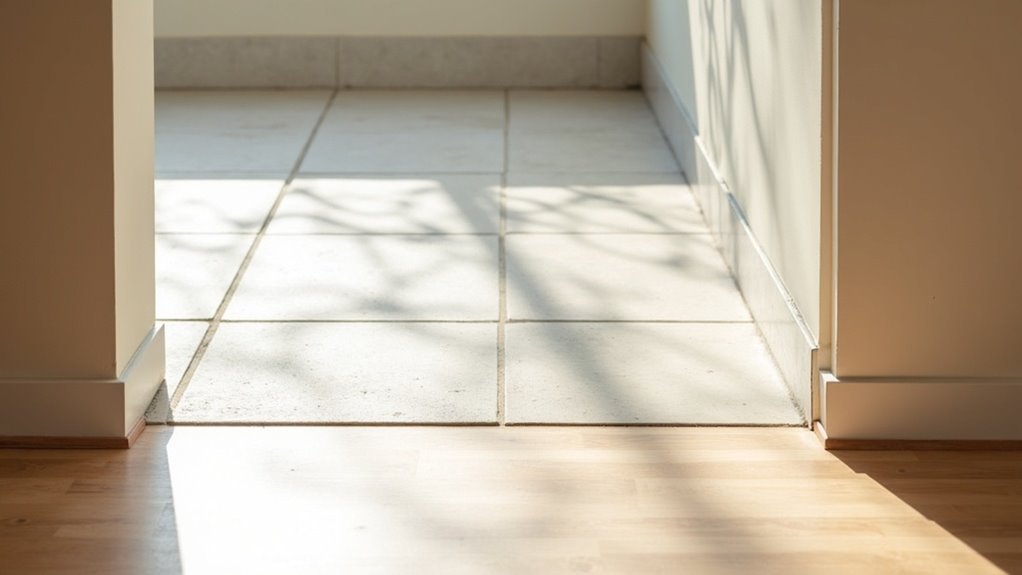
To enhance safety in your home gym, adding edge ramps is a great idea. Begin by cleaning the area and measuring precise locations for the ramps. Select the appropriate ramp height, ensuring it meets ADA Standards, typically under 0.5 inches. Position the ramp to align seamlessly with the flooring, leaving a 0.75-inch gap for expansion. Secure the ramp using adhesive for a quick installation or screws for added durability, being careful not to overtighten. Aim for a smooth transition to reduce trip hazards, especially when moving around your gym equipment. For more detailed guidance, continue exploring the process to create a safe and effective workout space at home.
Key Takeaways
- Ensure compliance with ADA standards by selecting ramps with a maximum slope of 1:12 for safe transitions between flooring surfaces, creating an accessible workout environment for everyone.
- Thoroughly clean and prepare the installation area, measuring and marking precise locations for the ramps to enhance safety and prevent hazards in your home gym.
- Align ramps flush with flooring, maintaining a 0.75-inch gap for expansion to minimize trip risks, especially in high-traffic areas where you’ll be working out.
- Choose between adhesive for quick installation or screws for a more secure attachment; pre-drilling holes for screws will ensure stability and durability during your home fitness routine.
- Regularly inspect ramps post-installation to ensure they remain securely attached and safe for use, providing a reliable space for your home workouts and fitness goals.
Importance of Edge Ramps for Safety
While you may not always think about it, the presence of edge ramps is essential for maintaining safety in home gym environments.
These ramps provide smooth transitions between different flooring surfaces, greatly reducing trip and fall risks, especially in high-traffic workout areas. Ensuring compliance with accessibility standards, like the 2010 ADA Standards, helps create a safe space for individuals of all fitness levels, including those with mobility challenges.
Incorporating anti-slip surfaces and tactile indicators further boosts safety by minimizing slips and alerting visually impaired individuals to changes in flooring levels.
Ultimately, edge ramps contribute to a safer and more inclusive workout environment while enhancing the overall aesthetics of your home gym.
Selecting the Right Ramp Height
To ensure safety and accessibility in your home gym, selecting the right ramp height is crucial. Follow these guidelines to make the best choice for your space:
Selecting the right ramp height is essential for safety and accessibility in your home gym.
- Compliance: Make sure the ramp height meets the 2010 ADA Standards, which specify a maximum slope of 1:12 for safe navigation.
- Measurement: Calculate the height difference between surfaces using the formula: ramp height = height difference / slope ratio, ensuring a smooth transition.
- Transition: For minor height adjustments, keep the ramp height under 0.5 inches to minimize tripping hazards and enhance safety.
Selecting the right ramp height not only facilitates seamless mobility for all users but also ensures it integrates securely with your flooring, ultimately promoting a safe and efficient workout environment for everyone in your home gym.
Preparing the Area for Installation
With the ramp height appropriately selected, the next step involves preparing the area for installation of your home gym equipment.
Start by thoroughly cleaning the space to remove dust, debris, and any old flooring materials, ensuring ideal adhesion for the edge ramps.
Measure and mark precise locations for the ramps, factoring in necessary gaps for expansion based on the overall thickness of the flooring.
Confirm that surfaces are level and smooth to prevent improper installation and potential hazards during your workouts.
Address any moisture issues, as moisture barriers may be required to protect your equipment.
Finally, gather all necessary tools and materials to streamline your installation process effectively, so you can focus on achieving your fitness goals at home.
Positioning and Aligning the Ramp
Properly positioning and aligning the edge ramp is essential for ensuring a safe and functional transition between flooring surfaces in your home gym.
Follow these steps for ideal placement of corner ramps:
- Align the ramp with the flooring surface to prevent abrupt height changes that could lead to accidents while you’re exercising.
- Maintain a consistent gap of 0.75 inches between the ramp and adjoining surfaces, allowing for expansion and contraction as the temperature changes, which is especially important for home gym equipment.
- Use a level to ensure the ramp sits flush with surrounding flooring, minimizing tripping hazards and creating a smooth workout space for your fitness routine.
Securing the Ramp: Adhesive vs. Screws
After positioning and aligning the edge ramp in your home gym setup, securing it effectively is essential for maintaining stability and safety during your workouts.
You can choose between adhesive or screws for installation. Adhesive methods simplify the process, reducing labor time, but ensure that the surface is clean for optimal adhesion.
Choose adhesive for a quick installation or screws for a more secure attachment, ensuring a clean surface for optimal adhesion.
Alternatively, screws provide a more secure, long-lasting attachment, which is crucial when supporting your fitness equipment. For screw installation, pre-drill holes for proper anchor placement, but avoid overtightening to prevent compromising the ramp material.
Whichever method you select, prioritize safety and stability to ensure your home gym is a safe environment for your workouts.
Ensuring a Smooth Transition
To ensure a smooth transition between different flooring types in your home gym, it’s important to install edge ramps at all shift points. This helps minimize tripping hazards and enhances safety during your workouts.
Here are some steps to ensure effective floor changes in your exercise space:
- Choose the right materials: Opt for durable options like PVC, aluminum, or stainless steel that feature anti-slip properties to keep your workouts safe.
- Maintain proper gaps: Allow a 0.75-inch gap during installation to accommodate flooring expansion and contraction, ensuring a stable surface for your equipment.
- Follow installation guidelines: Use self-adhesive methods or screws to secure the ramps, ensuring compliance with accessibility standards for safe navigation in your gym space.
Maintenance and Safety Checks
While maintaining edge ramps in your home gym may seem like a minor task, regular inspections are crucial for ensuring safety and enhancing your workout experience.
Check edge ramps frequently for signs of wear and tear, making sure they’re securely installed to prevent any tripping hazards. Clean them with approved products to avoid dirt buildup, which can increase slip risks during your workout sessions.
Inspect for visible damage, such as cracks or warping, as these can compromise safety and may require replacement. Confirm that anti-slip surfaces remain effective, and consider adding treatments in high-traffic areas to improve grip.
Finally, conduct routine safety audits to ensure compliance with accessibility standards, making any necessary adjustments to enhance user safety and promote a secure environment for all gym enthusiasts.