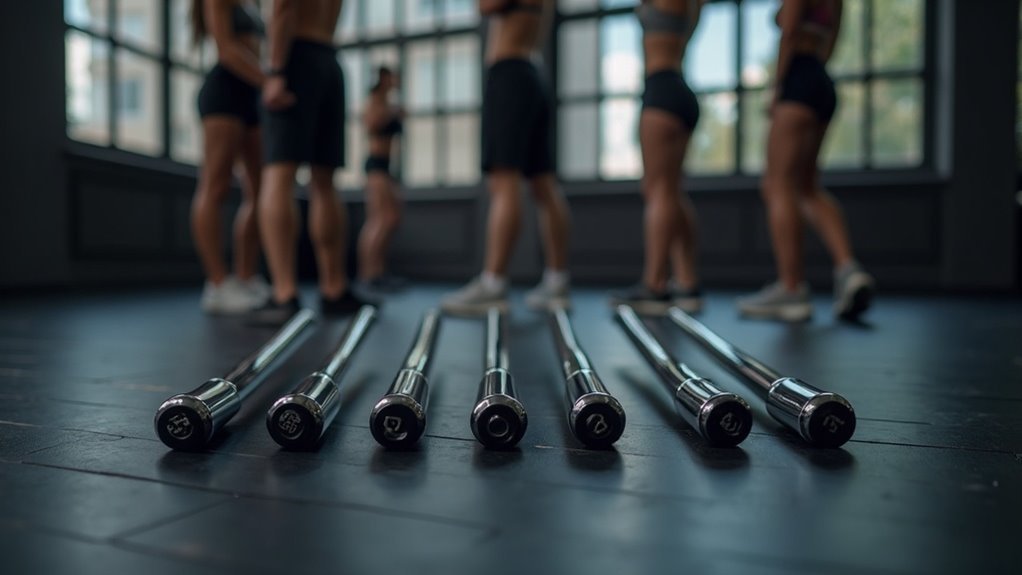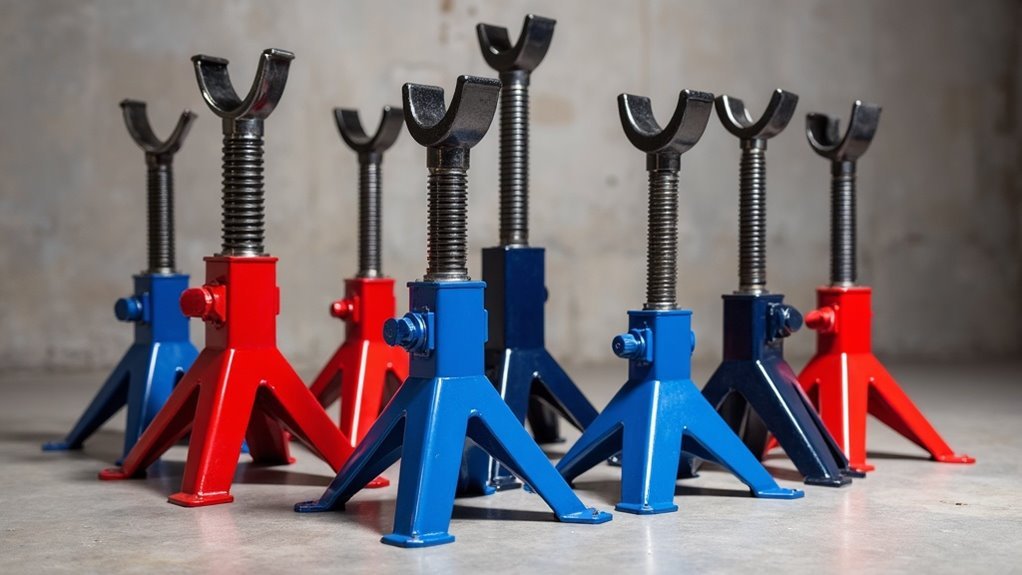
To attach band pegs to your home gym platform, begin by gathering durable materials such as steel or high-quality PVC. Measure and mark positions 6-12 inches high, ensuring you maintain 12-18 inches of spacing for optimal use. Use a 1-inch drill bit to create holes, then carefully insert the pegs, making sure they fit securely. To enhance stability, use washers and nuts to tighten each peg, adding extra bracing if necessary. Once everything is set up, test the stability by applying weight and inspect the setup regularly for any signs of wear. With these tips, you can customize your home gym equipment to suit your fitness needs perfectly.
Key Takeaways
- Measure and mark positions for the band pegs on your home gym platform, ensuring they are at an ideal height of 6-12 inches and spaced 12-18 inches apart for optimal use during your workouts.
- Using a 1-inch diameter drill bit, carefully drill holes in the marked spots, making sure to keep the drill perpendicular to ensure accurate placement for stability.
- Insert the band pegs into the drilled holes, applying firm pressure to ensure a secure fit that can withstand your exercise routines.
- Secure each peg with washers and nuts, tightening them firmly to evenly distribute pressure and enhance stability during your workouts.
- Regularly inspect and test the stability of the pegs, ensuring they are tightly secured and free from wobbling, so you can focus on your fitness goals with confidence.
Materials Needed for Band Pegs
When you’re ready to create band pegs for your home gym, it’s important to gather a few essential materials to ensure durability and functionality.
Start with sturdy steel or PVC pipe, opting for a diameter of around 1 inch to ensure a secure fit with standard resistance bands. Each peg should measure at least 6-8 inches long for stability when anchored, providing a reliable setup for your workouts.
Don’t forget to include washers or rubber grommets to protect your platform’s surface from wear and tear. For safety, make sure to securely mount the pegs using heavy-duty screws or bolts that can withstand the substantial tension from the bands.
Measuring and Marking Positions
To ensure your band pegs are positioned accurately for your home gym setup, begin by measuring the ideal height on the platform, usually between 6 to 12 inches from the ground.
Use a tape measure to mark reference points for each peg, maintaining an even spacing of 12 to 18 inches apart to achieve optimal band tension.
It’s crucial to double-check your measurements before drilling, as precise placement is vital for both effective workouts and safety.
This setup will help you maximize your exercising potential in the comfort of your home.
Accurate Measurement Techniques
Accurate measurement techniques are crucial for successfully attaching band pegs to your home gym platform.
Start by determining the ideal height for your band pegs, which is typically between 12 to 18 inches from the ground, tailored to your specific training needs. Use a measuring tape to locate the center point of your platform’s width and mark it for even placement.
Carefully mark the desired positions with pencil or chalk, ensuring that there’s even spacing and alignment. Double-check all measurements to avoid discrepancies that could affect stability during your workouts.
Finally, use a level to verify that your marked positions are straight, ensuring that the band pegs will be secure and functional for a safe and effective home exercise routine.
Marking Reference Points
Once you’ve established your measurements, the next step is to mark reference points for the band pegs in your home gym setup.
Measure and mark a distance of 6 to 12 inches from the edges of your platform, based on your personal preferences and the exercises you plan to perform.
To ensure stability and functionality, use a straight edge or level to align your marks accurately. With a tape measure and pencil, make precise markings to avoid any discrepancies.
Be sure to double-check your measurements from both ends of the platform for consistency.
Finally, consider the height of the pegs, aiming for around knee height to facilitate effective tension during your workouts, making your home gym experience efficient and enjoyable for both men and women.
Ensuring Even Spacing
Ensuring even spacing for your band pegs is crucial for achieving balance and symmetry in your home gym setup.
Start by measuring the total width of your platform and decide how many pegs you’ll attach. Use a measuring tape to mark positions, spacing them 6-12 inches apart based on your workout needs. Clearly mark each position with pencil or chalk for precise drilling.
Double-check measurements from the edges to confirm equidistance. Consider creating a template on paper to visualize the layout, allowing for easy adjustments before you drill.
This meticulous approach ensures a safe and functional gym environment, making your workouts more effective and enjoyable.
Drilling Holes for Pegs
To successfully attach band pegs to your home gym platform, precise drilling of holes is essential for optimal performance.
Start by measuring and marking the locations for the holes, ensuring they’re evenly spaced to maintain balance during your workouts. Use a drill with a 1-inch diameter bit, keeping it perpendicular to the platform surface. This will ensure straight, clean holes for ideal peg fitment.
Measure and mark hole locations carefully, then drill straight, clean holes for optimal peg fitment and workout balance.
After drilling, smooth the edges with sandpaper to avoid any splintering, enhancing safety during use.
Finally, test the fit of the pegs by inserting them into the drilled holes. Confirm that they hold securely and function as intended before proceeding with your final assembly, ensuring your home gym setup is both effective and safe for your fitness journey.
Inserting the Metal Pegs
When inserting the metal pegs into your home gym equipment, ensure you select durable materials that can endure the intensity of your workouts.
Align the pegs carefully with the drilled holes, applying firm pressure to seat them fully without damaging the platform.
Using proper insertion techniques is essential for achieving a secure fit, so be sure to double-check their stability before each use to ensure a safe and effective workout for both men and women.
Choosing the Right Material
Selecting the right material for your band pegs is crucial for achieving optimal performance and safety during your home workouts. To ensure durability and effectiveness, keep these key points in mind:
- Material: Opt for high-quality steel or aluminum tubing that can handle heavy loads without bending, ensuring your equipment lasts through countless sessions.
- Diameter: A 1-inch diameter is the ideal choice for compatibility with most resistance bands, making it versatile for various workout routines.
- Length: Cut the tubing to a length of 8-10 inches to provide adequate support and allow for comfortable band positioning, accommodating different exercise styles.
- Securing Method: Use heavy-duty bolts and nuts to securely fasten the pegs, preventing any unwanted movement during your workouts.
Additionally, consider adding rubber or plastic caps to reduce wear on your bands and minimize noise, making for a quieter and more enjoyable workout experience at home.
Proper Insertion Techniques
Before you start inserting the metal pegs into your home gym setup, ensure your platform is well-prepared and accurately marked for optimal performance.
Measure and mark the locations approximately 6-12 inches apart, based on your specific workout needs and preferences. Using a drill with the correct bit size, create holes at these marked spots, making sure they’re slightly larger than the peg diameter for easier insertion.
Firmly insert the metal pegs into the drilled holes, ensuring a snug fit to provide stability and prevent any wobbling during your exercises. If necessary, secure the pegs with a locking mechanism or screws for added safety, guaranteeing they stay firmly in place throughout your workouts.
Stay safe and get the most out of your home gym experience!
Securing the Pegs With Washers and Nuts
Securing the band pegs with washers and nuts is crucial for ensuring a stable and reliable home gym setup. Follow these steps to guarantee safety during your workouts:
Securing band pegs with washers and nuts is essential for a stable and safe home gym experience.
- Drill holes in your workout platform at evenly spaced locations for the band pegs, ensuring optimal usability.
- Place washers on both sides of each band peg to distribute pressure evenly and prevent wear on the wood, extending the life of your equipment.
- Thread durable steel nuts onto the bolts, tightening them firmly to prevent loosening during intense training sessions.
- Regularly check the tightness of the nuts and the alignment of the pegs to maintain safety and functionality, allowing you to focus on your fitness goals with peace of mind.
Testing Stability of the Setup
Once you’ve securely attached the band pegs to your home gym platform, testing the stability of the setup is crucial for safe and effective workouts.
Begin by gradually applying weight to the pegs, closely monitoring for any wobbling or loosening during use.
Utilize a level tool to ensure your platform is balanced, as an uneven surface can significantly compromise stability.
Regularly inspect the attachment points for any signs of wear or fatigue to ensure the pegs remain secure.
If you plan on incorporating heavy resistance training into your routine, consider reinforcing the area around the band pegs with additional bracing or supports to enhance stability and safety, allowing you to maximize your home workout experience.
Tips for Customization and Adjustments
To enhance your home workout experience, consider customizing and adjusting the band pegs on your platform. Follow these tips to ensure both safety and functionality for your fitness routine:
- Position pegs at varying heights to accommodate a wide range of exercises, catering to both men and women.
- Use durable materials, such as steel or high-quality PVC pipes, for band pegs to ensure they withstand rigorous workouts without breaking.
- Pre-drill holes in the platform for secure attachment, minimizing any movement during use and providing a stable base for your exercises.
- Choose adjustable band pegs that allow for easy customization based on your training preferences and fitness goals.
Additionally, reinforce peg areas with support brackets or wooden blocks to enhance strength and safety, ensuring a reliable workout environment in your home gym.