To seal a platform against moisture, especially in a home gym setting, start by cleaning and drying the surface thoroughly. Choose a waterproof sealant that is suitable for the material of your platform, applying it evenly with the recommended tools to ensure a secure grip for your exercise equipment. For added protection, consider incorporating a water-resistant membrane in overlapping layers. Be sure to allow proper drying time as specified by the manufacturer’s instructions. Regularly inspect the area for any signs of damage, as maintaining the integrity of your gym space is crucial for a safe workout environment. Additionally, keeping the humidity levels in check will contribute to a healthier workout experience. Remember, taking these preventative measures will help ensure your home gym remains a durable and inviting space for your fitness journey.
Key Takeaways
- Before setting up your home gym equipment, clean and dry the surface thoroughly to ensure proper adhesion and effectiveness of any protective sealant you may use.
- Choose a waterproof, mold-resistant sealant that is suitable for the flooring material of your home gym to keep moisture at bay.
- Apply the sealant evenly, adhering to the manufacturer’s guidelines for coverage and drying times to ensure a solid barrier against moisture.
- Consider adding a durable, water-resistant membrane in overlapping layers under your gym equipment for comprehensive moisture protection, helping to maintain a safe workout environment.
- Conduct regular inspections and maintenance of your gym area, reapplying sealant as needed to prevent moisture damage and ensure a healthy space for exercising at home.
Preparing the Surface for Sealing
Before you begin sealing the surface of your home gym, it’s essential to prepare it properly to ensure a long-lasting and effective seal.
For a Concrete Slab, ensure it’s clean and dry to promote proper sealant adhesion. Remove any dust, dirt, and debris, and use a degreaser or concrete cleaner to eliminate oils or stains that could interfere with your equipment’s stability.
If you’re sealing wood surfaces, such as a wooden platform or flooring, sand down any rough areas and confirm that the wood is moisture-free. Allow adequate drying time; for new concrete, this typically means waiting about 28 days for complete curing.
Additionally, inspect for cracks or imperfections, as these must be repaired to effectively prevent moisture infiltration and guarantee a durable seal, ensuring that your home gym remains a safe and effective space for your fitness journey.
Choosing the Right Sealant
Choosing the Right Sealant for Your Home Gym Platform
Selecting the right sealant for your home gym platform is crucial to ensure effective moisture protection and enhance its longevity. Opt for a sealant specifically designed for wood framing to achieve maximum adhesion and stability.
Look for waterproof and mold-resistant properties to provide long-lasting defense against moisture damage, especially in a home gym setting where sweat and humidity can be a factor.
Prioritize sealants with waterproof and mold-resistant features for lasting protection against moisture in your home gym.
If your platform is porous, consider using penetrating sealants that create a barrier while allowing the material to breathe, keeping the surface safe and durable.
It’s also important to choose a robust formulation that can withstand the weight and impact of weight lifting activities, ensuring your gym remains safe and functional.
Lastly, ensure that the sealant is easy to apply, whether by sprayer, brush, or roller, and always adhere to the manufacturer’s instructions for drying and curing times to achieve the best results.
Application Techniques for Sealant
Before you start setting up your home gym, ensure that the space is clean and dry to guarantee the best performance of your equipment.
Select the right tools—such as resistance bands, dumbbells, or a yoga mat—for an effective workout across all muscle groups.
Proper preparation and the right equipment are essential for achieving your fitness goals and maintaining a healthy lifestyle at home.
Surface Preparation Steps
To ensure optimal adhesion of the sealant on your home gym platform, begin by thoroughly cleaning the surface to remove any dust, dirt, or debris that could interfere with the sealant’s performance.
Allow the surface to dry completely before application, as moisture can compromise the sealant’s effectiveness and may lead to mold growth—something to avoid in your workout space.
Choose a sealant that’s specifically formulated for your platform material; for instance, opt for a wood-specific sealant for wooden platforms or a penetrating sealant for concrete surfaces.
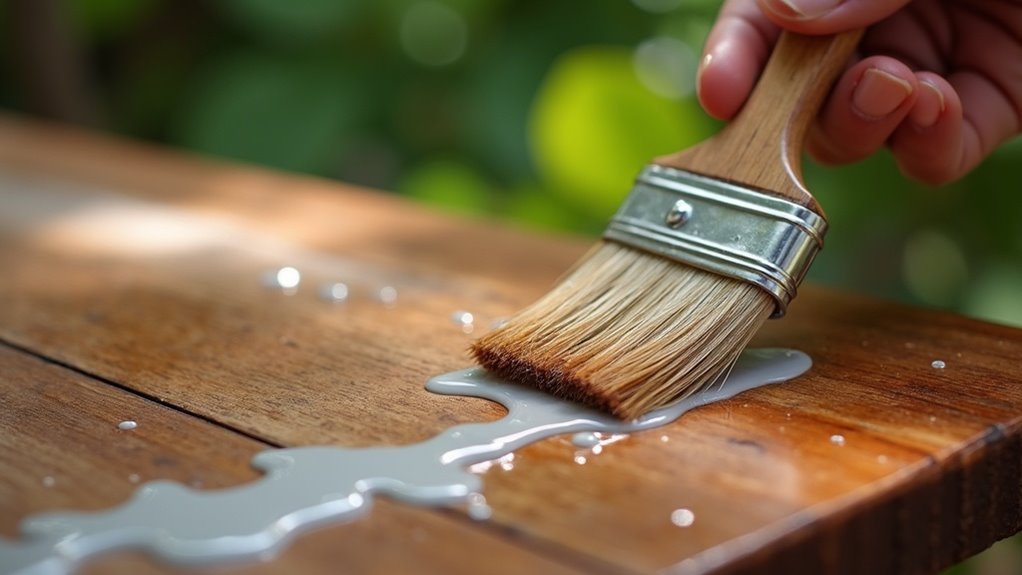
When applying the sealant, utilize a sprayer, brush, or roller to achieve even coverage, making sure to apply a thickness that effectively prevents moisture penetration.
Adhere to the manufacturer’s guidelines, allowing at least 24 hours before exposing the sealed surface to moisture or heavy use, ensuring your home gym remains a safe and hygienic environment for your workouts.
Application Tools Overview
When applying sealant to your home gym equipment, selecting the right tools is essential for achieving optimal results. A caulking gun is perfect for precise application along seams and joints, ensuring an even bead that effectively fills any gaps.
For larger surfaces, such as weight lifting platforms, a sprayer can help you cover areas quickly and efficiently. Brushes and rollers work well on uneven textures, allowing for thorough coverage. Additionally, a plastic putty knife is ideal for reaching tight spaces and edges.
Always remember to clean the surface thoroughly before application to enhance bond strength and minimize the risk of moisture intrusion. Prioritizing safety throughout the sealing process is crucial for maintaining a healthy and functional home gym.
Adding Water-Resistant Membrane
Installing a water-resistant membrane over your home gym flooring is essential for creating an effective barrier against moisture intrusion, which can affect both your equipment and workout environment. Apply the membrane in overlapping layers to ensure complete coverage and prevent water seepage that could lead to mold or damage. Select a durable membrane that can withstand the rigors of lifting and other fitness activities without compromising its integrity. Begin by thoroughly cleaning the surface to ensure proper adhesion, then securely adhere the membrane, making sure to avoid any air pockets that can trap moisture. Regular inspections are crucial for identifying wear or damage, allowing you to make timely repairs and maintain a safe workout space.
| Step | Action | Importance |
|---|---|---|
| 1 | Clean surface | Guarantees adhesion |
| 2 | Apply overlapping layers | Prevents water seepage |
| 3 | Choose compatible material | Maintains structural integrity |
| 4 | Securely adhere | Eliminates air pockets |
| 5 | Conduct regular inspections | Enables early repairs |
Ensuring Proper Drying Time
Ensuring proper drying time is essential not just for sealants, but also when setting up your home gym equipment.
Just like humidity and temperature can affect the curing of sealants, they can also impact the performance and longevity of your workout gear. It’s important to monitor these conditions to ensure your equipment remains in top shape.
Adopting best practices, such as allowing adequate time for equipment assembly or maintenance, can enhance durability and create a safer workout environment.
Importance of Drying Time
Proper drying time is vital for home gym equipment maintenance, as inadequate curing can lead to equipment failure and potential safety hazards. Many types of equipment, particularly those with protective sealants, require a minimum of four hours to cure before they’re used, ensuring they provide an effective barrier against moisture and wear.
Insufficient drying can compromise the integrity of the equipment and its underlying materials. Environmental conditions, such as humidity and temperature, can greatly affect drying time, so it’s important to monitor these factors when setting up your home gym.
Always apply protective coatings to clean, dry surfaces to enhance adhesion and durability. Remember, routine maintenance and reapplication are necessary every few years, especially in high-humidity environments, to maintain optimal protection and ensure your workout space is safe and effective.
Factors Affecting Drying Duration
When setting up your home gym, it’s essential to consider several factors that can affect how long your equipment and surfaces take to dry and cure properly after application or cleaning.
Ambient temperature and humidity levels are crucial; warmer, drier conditions typically expedite the drying process for any sealants or coatings used on gym equipment. Most products require at least four hours of curing time, with full curing potentially taking 24 hours or more, especially if applied in thicker layers.
Ensure that your workout space has adequate ventilation to promote airflow and reduce humidity, which can significantly speed up drying times.
Additionally, always check that any porous surfaces, such as wood flooring or concrete, are completely dry before placing your equipment to prevent extended drying times.
This will help you maintain a safe and efficient home gym environment, allowing you to focus on your fitness goals.
Best Practices for Drying
To achieve ideal drying results after applying sealant to your home gym equipment, it’s crucial to start with a clean and completely dry surface.
Follow the manufacturer’s instructions for drying times, which typically range from 24 hours to several days. When applying sealant, use thin, even coats to prevent moisture entrapment, allowing each layer to dry thoroughly before adding more.
Enhance airflow using a fan or dehumidifier, especially in humid conditions, to ensure effective drying. Regularly inspect the sealant’s integrity and reapply every few years to maintain effective moisture protection for your equipment.
Prioritize safety by ensuring proper ventilation throughout the drying process to keep your workout space healthy and comfortable.
Regular Maintenance and Inspection
Regular maintenance and inspection are crucial for safeguarding your home gym equipment, particularly your weight lifting platform, against moisture.
Conduct thorough inspections every few months to spot any signs of moisture damage, such as warping or discoloration. It’s important to reapply sealant at least once a year, or more frequently if you notice any signs of wear.
Keep the area around your platform dry and well-ventilated to prevent moisture buildup. Consider using absorbent mats or carpets beneath the platform, and check them regularly for dampness.
Additionally, keep an eye on humidity levels in your home gym, aiming to maintain them below 50% to effectively minimize moisture-related risks and ensure a safe workout environment for both men and women.